Iraq Devalues Currency by 15% as Oil Disruptions Threaten to Push Prices Higher
Iraq has devalued its currency by about 14.5%, marking its largest adjustment since 2020 as disruptions to oil exports through the Strait of Hormuz place increasing pressure on the country’s finances.
The new exchange-rate structure sets the dinar at about 1,520 to the U.S. dollar for consumers, compared with the previous official rate of around 1,320 dinars per dollar. The measure took effect on Wednesday after being approved by Iraq’s cabinet.
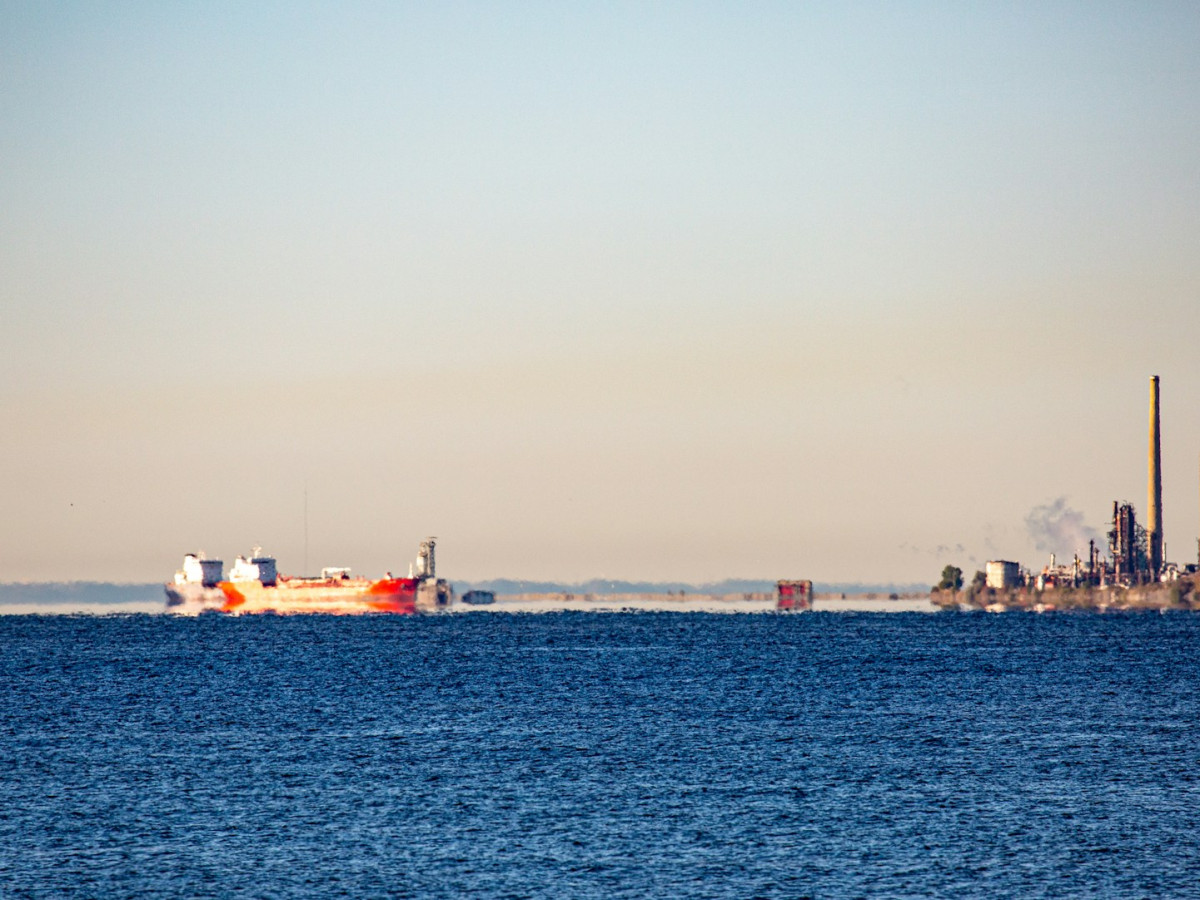
The decision comes as the ongoing conflict involving Iran has severely disrupted shipping through the Strait of Hormuz, a critical route for Middle Eastern oil exports. Iraq depends heavily on oil revenues, with most of its crude exports previously passing through the waterway.
The disruption has forced Iraq to seek alternative routes for transporting its oil, including more expensive overland routes through Syria. Iraqi oil exports fell to about 2.34 million barrels per day in August, compared with more than 3.6 million barrels per day before the disruption, according to Reuters.
By weakening the dinar, the government can receive more local currency for every U.S. dollar earned from oil exports. However, the policy also makes imported goods more expensive because Iraq relies heavily on imports for food, medicines and industrial materials.
That could put additional pressure on households already dealing with higher prices. Essential goods such as food products and other imported items are expected to become more expensive as the weaker dinar increases the cost of purchasing goods from abroad.
The move has also generated criticism from some Iraqi lawmakers, who argue that the timing could worsen the financial pressure facing ordinary citizens. The government, however, faces a significant budget deficit and declining oil revenues, making the additional dinar revenue from each dollar of oil income an important fiscal consideration.
The official change has also widened the gap between Iraq’s official exchange rate and the parallel market. Following the announcement, the market rate reportedly climbed above 1,700 dinars per dollar, while some currency-exchange shops temporarily closed amid uncertainty.
Iraq’s latest currency adjustment highlights the wider economic consequences of disruptions in the Strait of Hormuz. While the devaluation could provide the government with additional local-currency revenue, consumers and businesses are likely to face higher import costs as the country navigates weaker oil revenues and continued instability in regional trade.