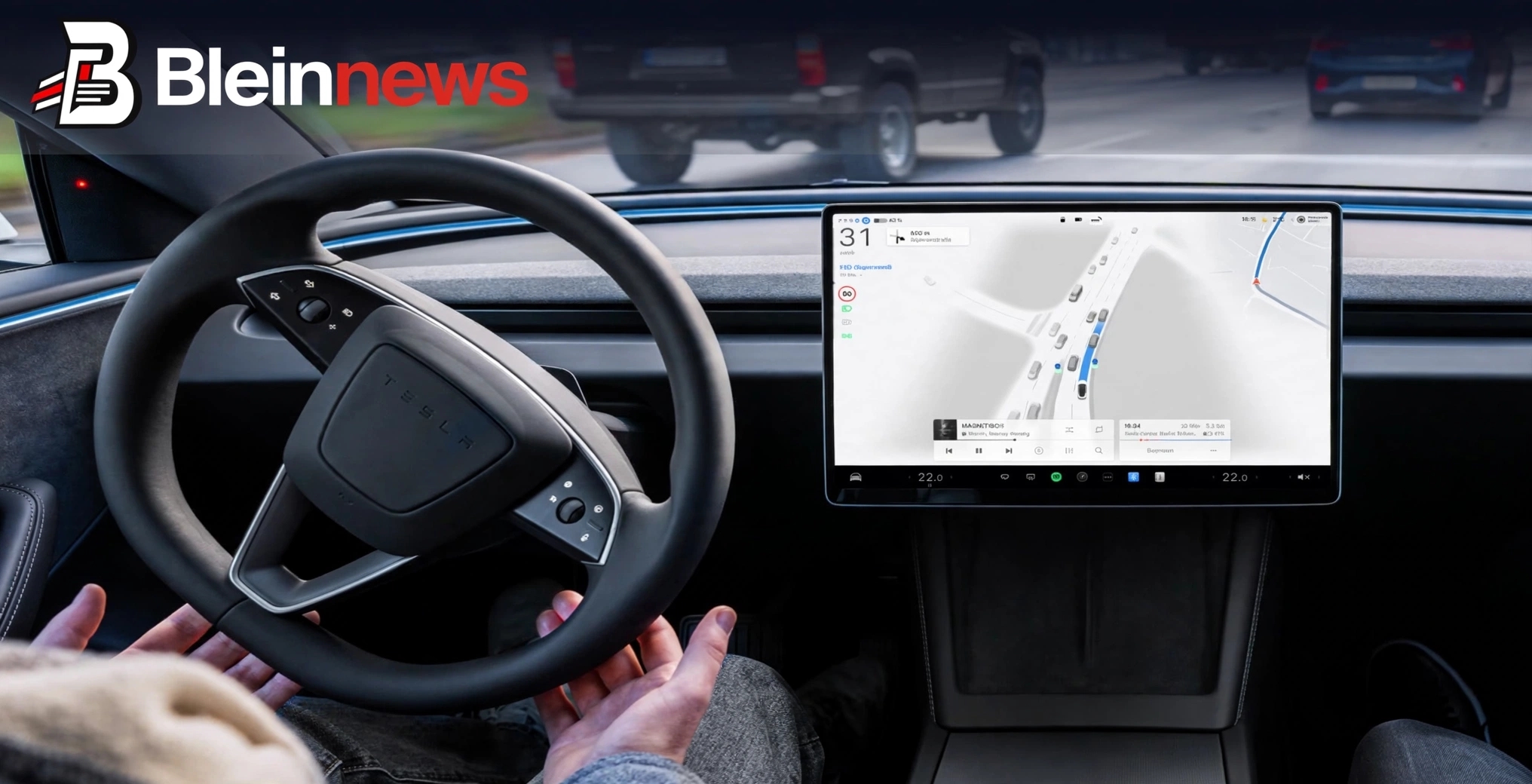
Tesla has dropped the name “Full Self-Driving” for its driving software in Europe after German regulators raised concerns about what the name suggests. The system will now be called Tesla Assisted Driving, a change that could help the company as it seeks wider approval for the technology across Europe.
The rebrand may seem small, but it touches on a major question facing the car industry: how do companies sell advanced driving technology without giving drivers the impression that a car can drive itself completely?
Why Tesla Changed the Name
Germany’s transport ministry argued that “Full Self-Driving” could mislead drivers because Tesla’s system still requires human supervision.
Transport Minister Steffen Bilger said the software does not handle the entire task of driving. According to the ministry, Tesla proposed the new name after discussions with German officials in September.
The updated name makes the system sound more like what it is: technology that helps drivers rather than fully replacing them.
Tesla has used the Full Self-Driving name for years, adding the word “Supervised” to clarify that drivers must remain attentive. The new branding places greater emphasis on the system’s role as a driving assistant.
What Tesla’s Software Can Actually Do
Tesla’s driving software has improved over the years. Depending on the vehicle, software version and local approval, it can help with steering, acceleration, braking, navigating roads and parking.
These features can handle parts of a journey that would otherwise require constant input from the driver. However, the system is not the same as a fully driverless car.
Drivers must continue watching the road and be ready to take control when needed. Changing the software’s name does not automatically change its abilities or make it safer.
This distinction matters because people may place too much trust in a system if its name suggests it can handle every driving situation. Clear language can help customers better understand what the technology can—and cannot—do.
Tesla Wants Wider Approval Across Europe
The name change comes as Tesla works to make its driving software available in more European markets.
The Netherlands became the first European country to approve the system earlier in 2026. However, approval in one country does not automatically mean the technology can be used across the entire European Union.
Germany’s transport minister has indicated that he will support efforts to secure wider European approval. A broader green light could open the door to more customers and new software revenue for Tesla.
But safety remains a major part of the debate. Reuters reported on October 7 that researchers had challenged aspects of the safety research Tesla used to support its case for approval. The report also described pressure on Dutch regulators during the approval process.
These concerns underline why regulators must assess the technology’s performance and safety evidence rather than relying on the company’s marketing claims.
Will the New Name Make Tesla’s Cars Driverless?
No. The change is about the name, not a sudden upgrade that removes the need for a driver.
Tesla’s driver-assistance technology has also faced investigations and lawsuits involving crashes in which the software was allegedly in use. Its earlier Autopilot system has drawn scrutiny over safety and how its capabilities were marketed.
For Tesla, the new name could help address concerns from regulators and support its push into more European markets. But the company still needs to meet the relevant safety requirements before it can expand approval.
The bigger issue extends beyond Tesla: as cars become better at handling driving tasks, automakers must explain their systems clearly so that customers understand their limits.
For now, Tesla has changed the name—but drivers still need to stay in control. Wider European approval will depend on regulatory decisions and evidence that the technology meets safety requirements.