
KCSE 2026: KNEC Unveils Anti-AI Cheating Measures As El Niño Threatens Exams
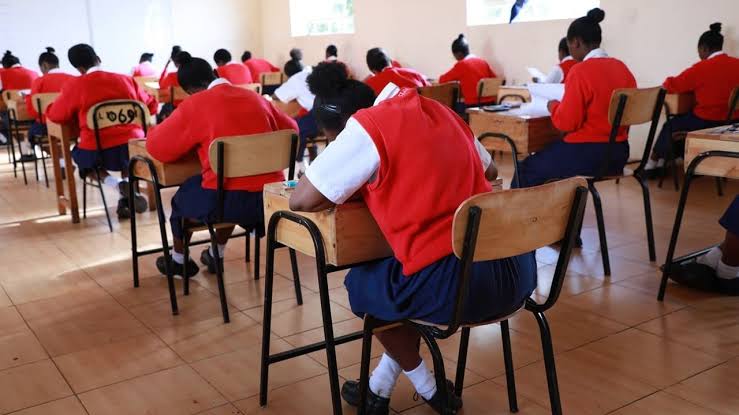
The Kenya National Examinations Council (KNEC) has introduced new strategies to safeguard the integrity of the upcoming 2026 Kenya Certificate of Secondary Education (KCSE) examinations. As over 3.6 million candidates nationwide prepare for national assessments beginning mid-October, education authorities are confronting two evolving challenges: the emerging threat of artificial intelligence-enabled examination malpractice and potential logistical disruptions caused by anticipated El Niño weather patterns.
Education officials and public health stakeholders have placed tech-driven cheating under sharp focus. Following past examination cycles where mobile devices were confiscated from candidates and unauthorized personnel, authorities are warning that generative AI tools and smart devices represent the next major frontier for exam fraud. In response, KNEC is deploying contracted professionals, strict device bans, and enhanced monitoring across examination centers to prevent digital leaks and real-time AI assistance.
Beyond technological threats, logistical preparations are underway to buffer national examinations against adverse weather. With heavy rainfall and flooding predicted in several regions due to El Niño, the Ministry of Education has added secondary storage containers and alerted multi-agency emergency teams to guarantee that exam materials reach remote and flood-prone areas on schedule. Education Cabinet Secretary Julius Ogamba emphasized that safeguarding both the physical delivery and the academic validity of the tests remains the government's top priority.
Public health and education leaders continue to appeal to school administrators, invigilators, and parents to support ethical standards. As the examination period approaches, KNEC maintains that strict vigilance will ensure every student receives a fair assessment outcome.