
FeaturedFashion
The Evolution of Modern Fashion: Balancing Creative Expression with Commercial Survival
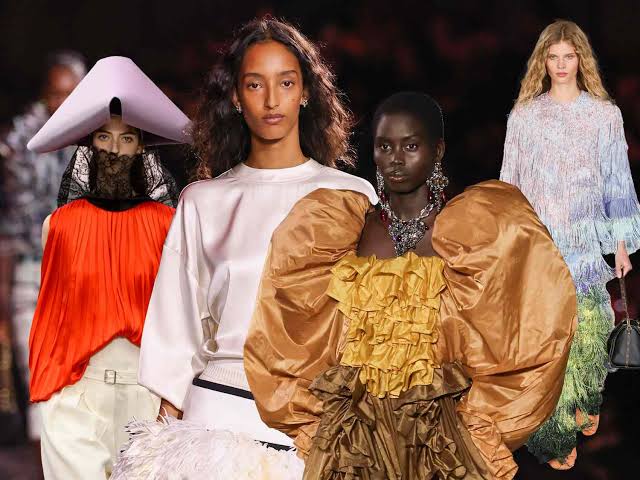
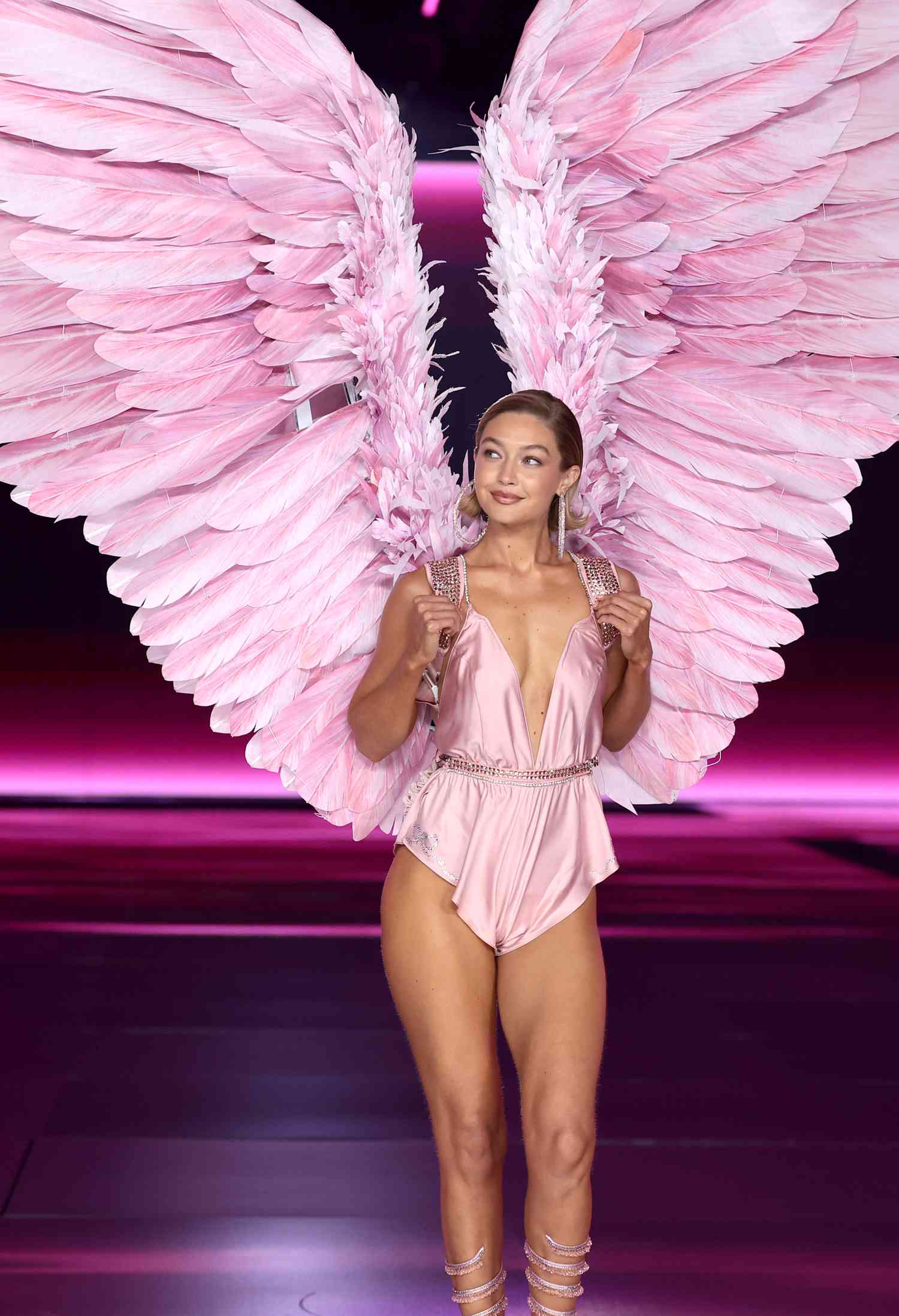
The global fashion industry is currently navigating one of its most volatile yet transformative eras. Historically driven by a strict calendar of runway spectacles and predictable consumer behavior, the contemporary landscape is being radically rewritten. Today, fashion exists at a complex intersection where record-breaking digital engagement, rapid corporate restructuring, and shifting consumer demographics collide. As brands strive to maintain cultural relevance while securing financial stability, the industry is witnessing a profound evolution in how clothing is designed, marketed, and consumed. A defining characteristic of the current fashion landscape is the sheer scale of the global runway circuit, which has successfully weaponized digital media into billions of dollars in publicity. This was explicitly demonstrated during the recent Paris Fashion Week Spring/Summer cycles, which generated a monumental $795.6 million in Earned Media Value (EMV)—a staggering 59% increase over previous seasons. Runway shows are no longer exclusive trade events for retail buyers; they are highly orchestrated cultural phenomena designed for viral consumption. High-profile moments, such as Apple Martin’s runway debut at Chloé or the return of the hyper-spectacle with Victoria's Secret, prove that casting and pop-culture alignment are just as vital to a brand’s economic health as the garments themselves. Furthermore, international talent is breaking traditional geographic boundaries, exemplified by designer Yui Chen becoming the first Chinese designer to win the prestigious fashion grand prix at the Hyères Festival. However, beneath the glamour of the runway lies an industry undergoing massive corporate volatility and leadership churn. The pressure to deliver immediate commercial success has shortened the lifespan of creative directors significantly. Recent high-profile departures and reshuffles at legacy houses like Alexander McQueen, Calvin Klein, and Saint Laurent underscore the deep tension between artistic vision and retail performance. Brands are searching for a magical formula that honors heritage while driving modern commercial growth, leading to rapid executive interventions—such as Gary Muto taking the helm at Billy Reid to oversee turnaround strategies. Crucially, the commercial side of fashion is also experiencing a major demographic pivot. For the past several years, the industry was single-mindedly obsessed with capturing Gen Z. However, economic realities have forced luxury and contemporary labels to redirect their focus toward affluent, older generations. Brands like Evereve, Ulla Johnson, and even Zara Home through its upmarket expansions, are engaging in multigenerational marketing. By targeting consumers with higher disposable incomes, the retail sector is adapting to a stricter economic climate where impulse buying among younger cohorts has cooled. Finally, the industry is increasingly forced to confront real-world geopolitical and environmental challenges. The vulnerability of retail was vividly displayed in Milan’s luxury Via Montenapoleone district, where global powerhouses like Chanel, Dior, and Tiffany were forced to board up windows amid local security concerns. On a more progressive note, sustainability is slowly evolving from a marketing buzzword into measurable supply chain initiatives. Fast Retailing’s brand, Theory, recently won acclaim for collaborating on projects aimed at reducing sheep wool methane emissions in Australia. This indicates that the future of fashion will rely heavily on technological and agricultural innovations to make raw materials more sustainable. In conclusion, the modern fashion industry is a mirror to our broader world—fast-paced, digitally hyper-connected, and economically sensitive. While runway shows continue to reach unprecedented heights of media value, the back-end infrastructure is learning to adapt to a changing climate, both financially and ecologically. The brands that survive this transition will not just be those that create the most viral moments, but those that can successfully anchor their creative dreams within resilient, forward-thinking business models.
By J.Wangechi · October 20, 2026 · 1 min read
Share
#fashion#models#zara#genz#festival
Comments
No comments yet — be the first to weigh in.