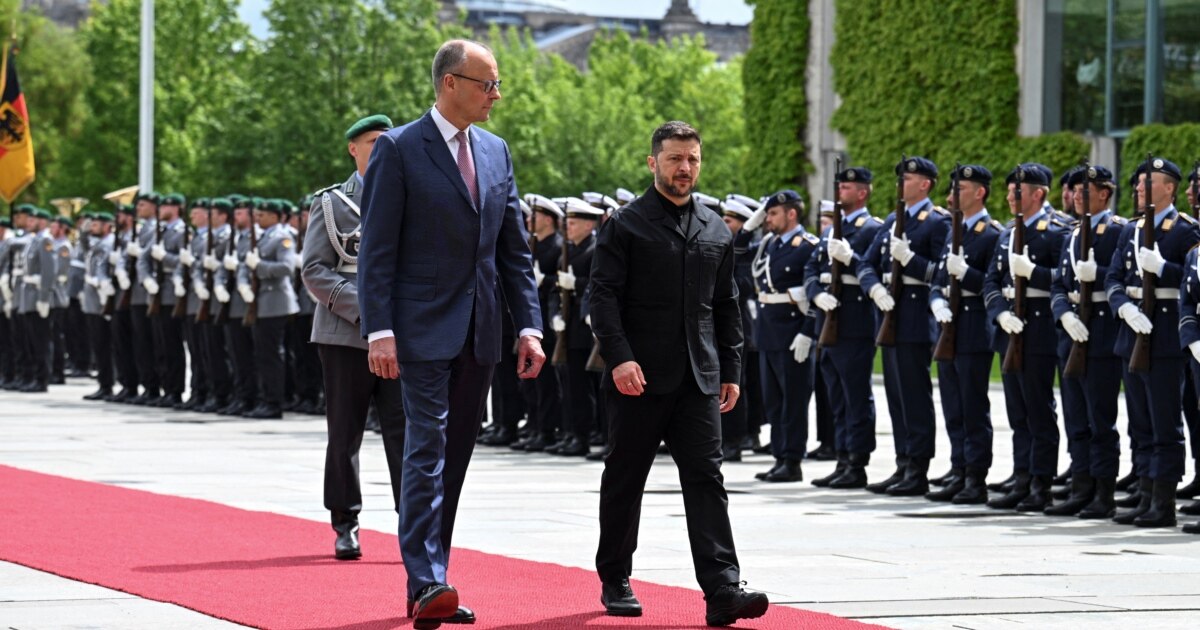

A New World Order Is Taking Shape as Global Power Shifts
The international system is undergoing a period of significant change as geopolitical tensions, economic pressures and shifting strategic priorities challenge the balance of power that has shaped global affairs for decades. From the rivalry between the United States and China to Russia's confrontation with the West and the growing influence of emerging powers, countries are reassessing their alliances and competing for greater economic, technological and military influence.
The United States remains the world's most powerful military and one of its largest economic and technological centres, but its position is increasingly being challenged by China's rapid economic development, expanding military capabilities and growing influence across Asia, Africa and other regions. Beijing has also strengthened its relationships with countries outside the traditional Western alliance system, while investing heavily in technology, infrastructure and strategic industries.
Russia remains another important factor in the changing international landscape. Its war in Ukraine has deepened tensions with the United States and European countries while pushing Moscow to strengthen economic and diplomatic relationships with countries such as China, India and others. The conflict has also encouraged European governments to reconsider defence spending, energy security and their dependence on external suppliers.
Economic power is becoming increasingly connected to geopolitical influence. Competition over semiconductors, artificial intelligence, critical minerals, energy supplies and advanced manufacturing is creating new strategic dependencies. Governments are increasingly treating these industries not simply as commercial sectors but as matters of national security, with export controls, investment restrictions and efforts to secure domestic supply chains becoming more common.
At the same time, countries in the Global South are seeking greater room to pursue their own interests rather than automatically aligning with either Washington or Beijing. Groups such as BRICS have expanded their membership, while countries including India, Brazil, Saudi Arabia and others have pursued relationships with multiple major powers. This reflects a broader effort by many governments to maintain strategic flexibility in an increasingly competitive international environment.
The shift does not necessarily mean that the existing international system is being replaced by a single new power structure. Instead, the world may be moving toward a more fragmented and multipolar system in which several countries and regional groupings exercise influence in different areas. Economic strength, military capabilities, technological leadership, access to natural resources and diplomatic relationships are all becoming important measures of national power.
For ordinary people, these geopolitical changes can have consequences beyond international diplomacy. Trade disputes can affect prices and supply chains, conflicts can disrupt energy and food markets, and competition over technology can influence everything from telecommunications to artificial intelligence. Decisions made by major powers can therefore have economic and political effects far beyond their borders.
The central question is whether the emerging system will produce greater cooperation or intensify competition. Major powers face common challenges, including climate change, economic instability, pandemics, cyber threats and the risks associated with increasingly advanced technologies. At the same time, distrust between governments is making cooperation more difficult in several areas.
The future balance of power is therefore unlikely to be determined by military strength alone. Economic resilience, technological innovation, diplomatic influence and the ability to build international partnerships will also play a major role. As countries adjust to these changing conditions, the world appears to be entering a period in which the distribution of global power is becoming less predictable — and the countries that adapt most effectively may have the greatest influence over what comes next.