Ted Cruz’s College GameDay Appearance Sparks ESPN Coverage Debate
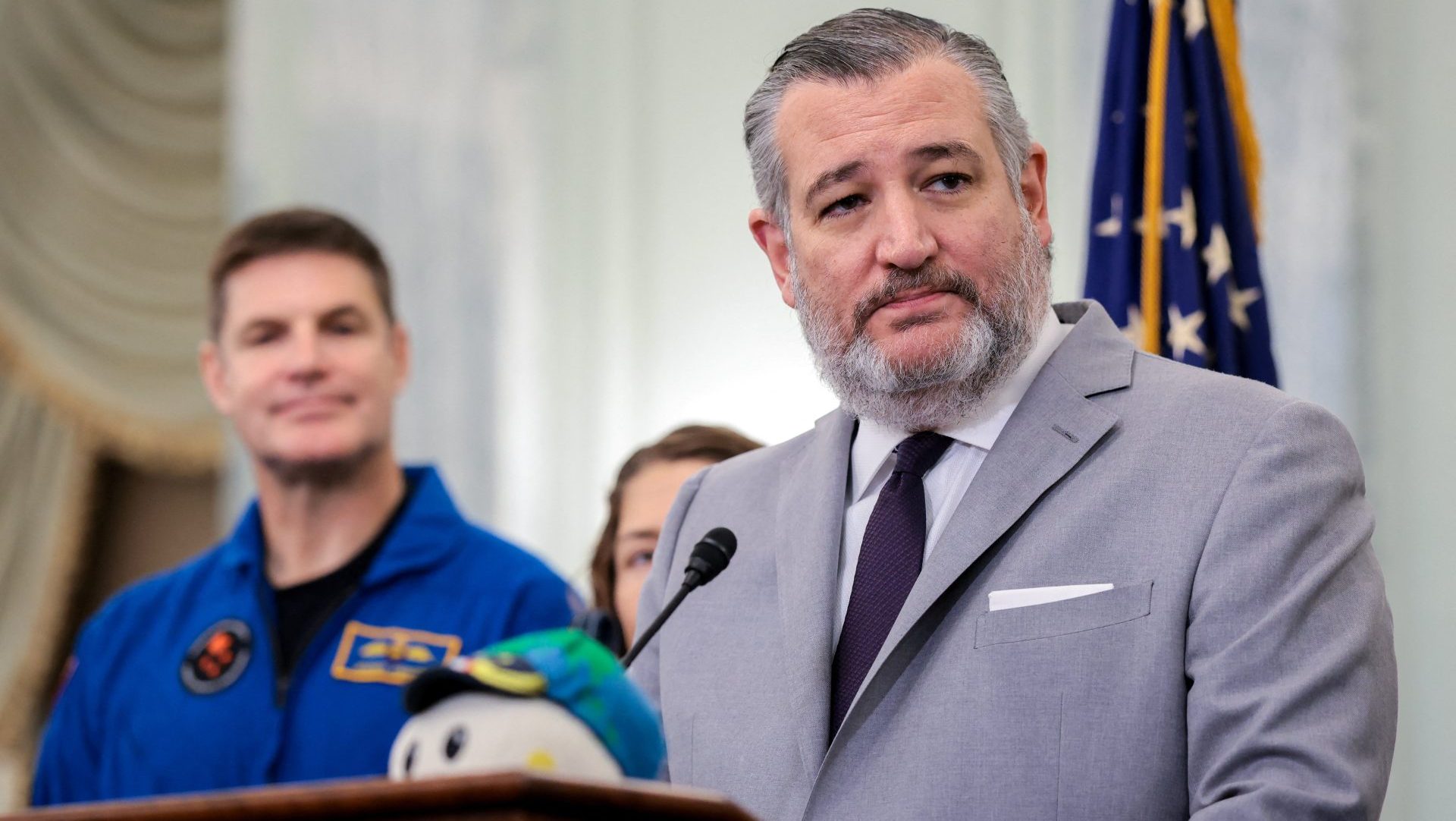
ESPN has faced criticism over a nine-minute appearance by Sen. Ted Cruz on Saturday morning’s edition of College GameDay.
During the interview, host Rece Davis questioned Cruz about the Protect College Sports Act, a proposed federal law that is expected to reach a full Senate vote this month, possibly as soon as next week. Cruz is a sponsor of the legislation, which also has the support of President Donald Trump. His appearance was met with repeated boos from fans attending GameDay.
The criticism centers largely on whether ESPN has given viewers enough opportunity to hear opposing arguments about the legislation.
Supporters of the bill have already received exposure on the program. Last week, Nick Saban, who serves as a national spokesperson for the legislation, and GameDay analyst Pat McAfee backed the proposal during a discussion about LSU potentially adding former NFL players to its roster.
Critics say, however, that ESPN has not featured anyone who opposes the Protect College Sports Act on GameDay or other major ESPN programs this season. Two prominent critics of the legislation are Sen. Chris Murphy of Connecticut and Sen. Tommy Tuberville of Alabama.
Mike Rodak, an Alabama reporter for 247Sports, highlighted the length of Cruz’s interview, noting that it lasted longer than an appearance by Texas head coach Steve Sarkisian, who was interviewed for slightly more than seven minutes. Rodak questioned why someone such as Murphy was not given comparable airtime to provide another political viewpoint.
Stewart Mandel of The Athletic also raised the question of whether ESPN had considered allowing someone from the opposing side to respond.
Mike Florio of ProFootballTalk went further, arguing that ESPN was continuing to show support for the legislation by giving Cruz an extended platform on the program.
The Proposed College Sports Legislation
The Protect College Sports Act has attracted substantial bipartisan backing in the Senate. The legislation is also supported by the SEC, Big Ten, most major college conferences and a coalition of college coaches.
The proposal has been revised several times since it was first introduced with bipartisan support in May. Its main provisions would give the NCAA an antitrust exemption, allowing the organization to enforce rules governing eligibility and name, image and likeness (NIL).
The bill would also permit conferences to combine their television and media rights when negotiating broadcasting agreements, should they decide to do so.
Support Campaign
Several prominent figures in college sports have publicly promoted the legislation. Nick Saban and Colorado head coach Deion Sanders have appeared in advertisements supporting the bill, although neither is receiving payment for participating.
The advertising campaign is part of a $10 million effort organized by Saving College Sports. The organization is led by Cody Campbell, a billionaire Texas Tech booster and chairman of the university’s board.
Cruz’s appearance has consequently added to the broader discussion surrounding the legislation, with the debate now extending beyond the bill itself to questions about how major sports networks should present competing political viewpoints on issues affecting college athletics.