Buenos Aires, October 6. Argentina v Benin, Estadio Monumental.
Some goodbyes are announced with thunder. This one came with a whisper. On 31 August, Lionel Messi will his international career, six weeks after Argentina lost the World Cup final 1-0 to Spain after extra time. There was no final whistle to soften it and no trophy to lift as punctuation. There was only a farewell note from a man who had given everything to a shirt.
So Argentina will give him the ending the summer did not.
On October 6 at the Estadio Monumental, Messi will make his final scheduled appearance for La Albiceleste. The opponent is Benin, a friendly, a footnote on the fixture list. But nobody in Núñez will be watching the fixture. They will be watching him.
The Boy from Rosario
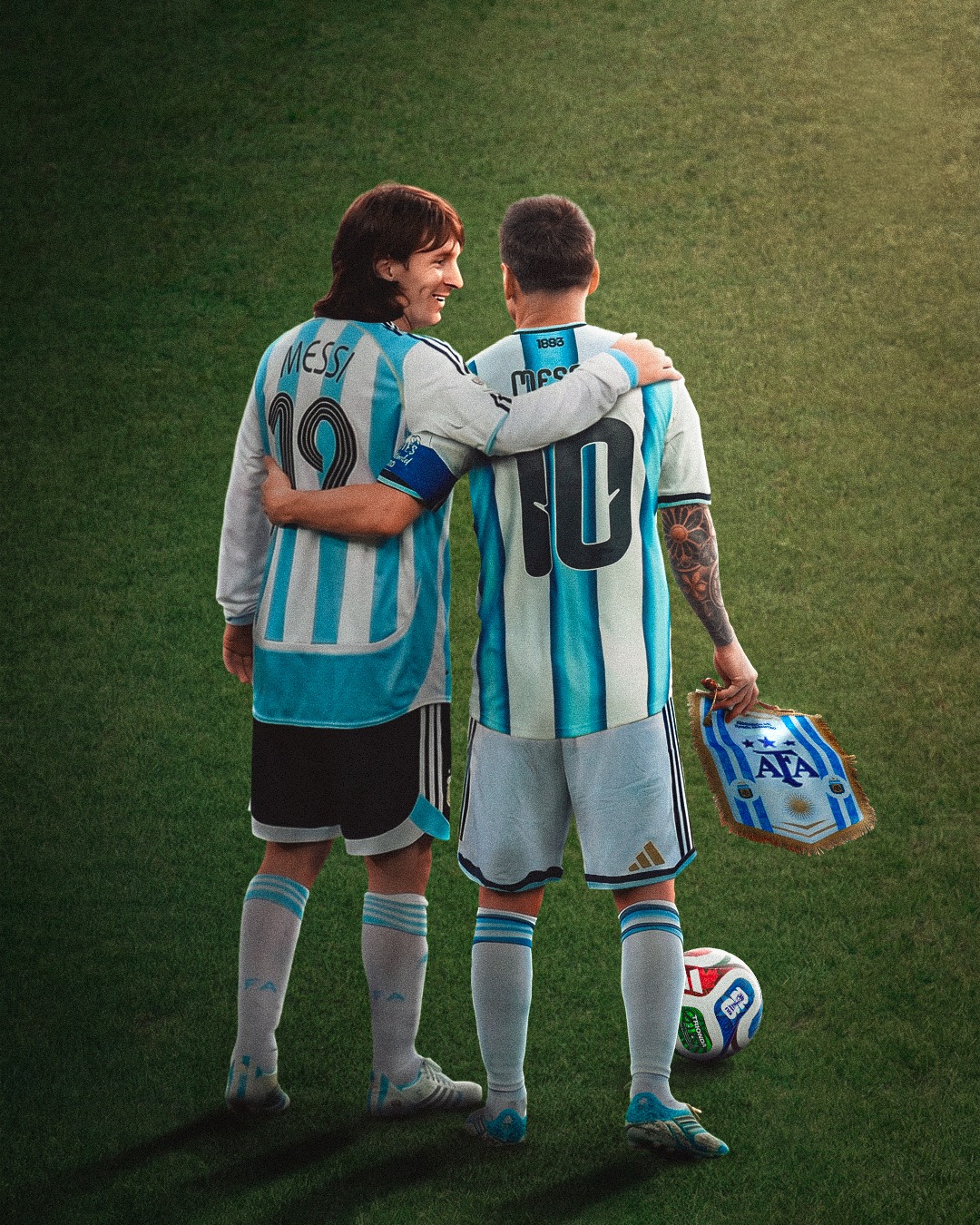
Think of where it began. A small boy from Rosario, so slight that doctors doubted him, carrying a gift no one could explain. In 2005, in the Netherlands, he took the Under-20 World Cup and made it his own, winning both the Golden Ball and the Golden Boot. The world was told, politely, that something was coming.
Three years later, in Beijing, he wore Olympic gold. A young man's first proof that the shirt could carry him to glory.
The Long Road Home
Then came the heartbreak, and there was plenty of it. The Copa América final of 2007. The World Cup final of 2014 at the Maracanã, where he was crowned the tournament's best player and left with nothing but silver and silence. Then Chile, twice, in 2015 and 2016, both finals decided on penalties, both times the trophy slipping away like water through open fingers. He walked away from the national team once in the wake of it all, unable to bear the weight.
But he came back. Of course he came back.
The Golden Years
What followed was the most beautiful redemption in the sport's history. In 2021, on the Maracanã grass that had once broken his heart, Argentina beat Brazil 1-0 to win the Copa América. It ended a 28-year drought, and Messi, the tournament's best player, finally held a senior trophy with the country's name on it. A nation exhaled.
Then Wembley in 2022, where Argentina dismantled Italy 3-0 to lift the Finalissima. And then Qatar, the crown jewel. Seven goals, the Golden Ball, and a final against France that no scriptwriter would dare to write: 3-3 after extra time, Messi scoring twice, and then the penalties, and then the roar of a whole country pouring into the streets of Buenos Aires. The doubt was not merely answered. It was dissolved, and it will never come back.
Two years later, in 2024, he added another Copa América, Argentina defeating Colombia 1-0 in extra time. Messi, battered by injury and in tears on the sideline, watched his teammates finish the job. It was fitting, in its way. The team he had carried for so long had finally learned how to carry him.
Add it up and the numbers are staggering. Argentina's most capped player, with 207 appearances. Its all time leading scorer, with 125 goals, 21 of them at World Cups. But numbers cannot say what it felt like when he picked up the ball.
The Cathedral
And now the Monumental, home of River Plate, the place where Argentina keeps its biggest nights. AFA president Claudio Tapia said the invitation was made so the captain could receive the goodbye he truly deserves, here in Argentina. Home soil, home voices, home tears. Where else would it end?
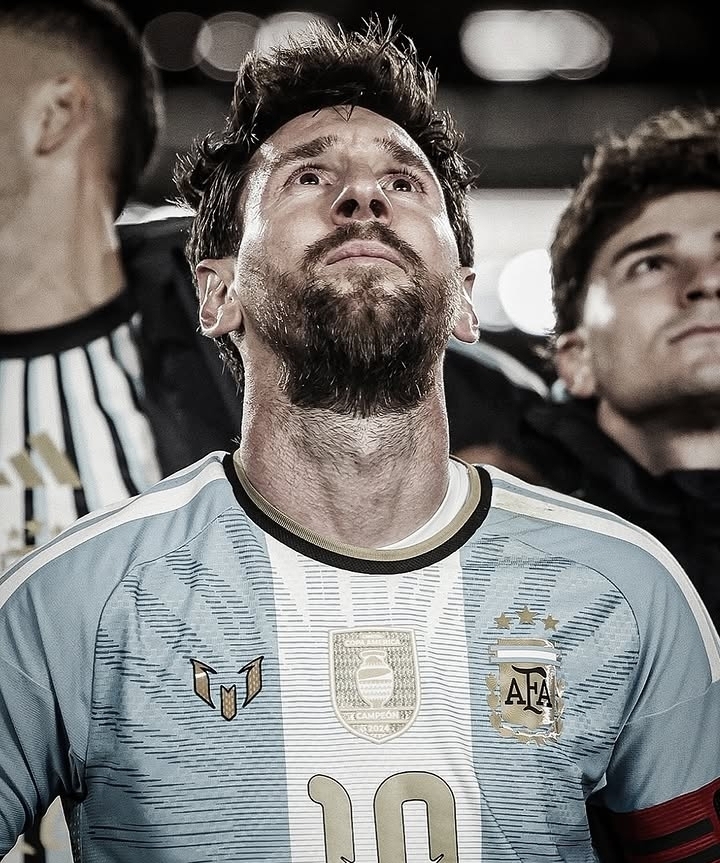
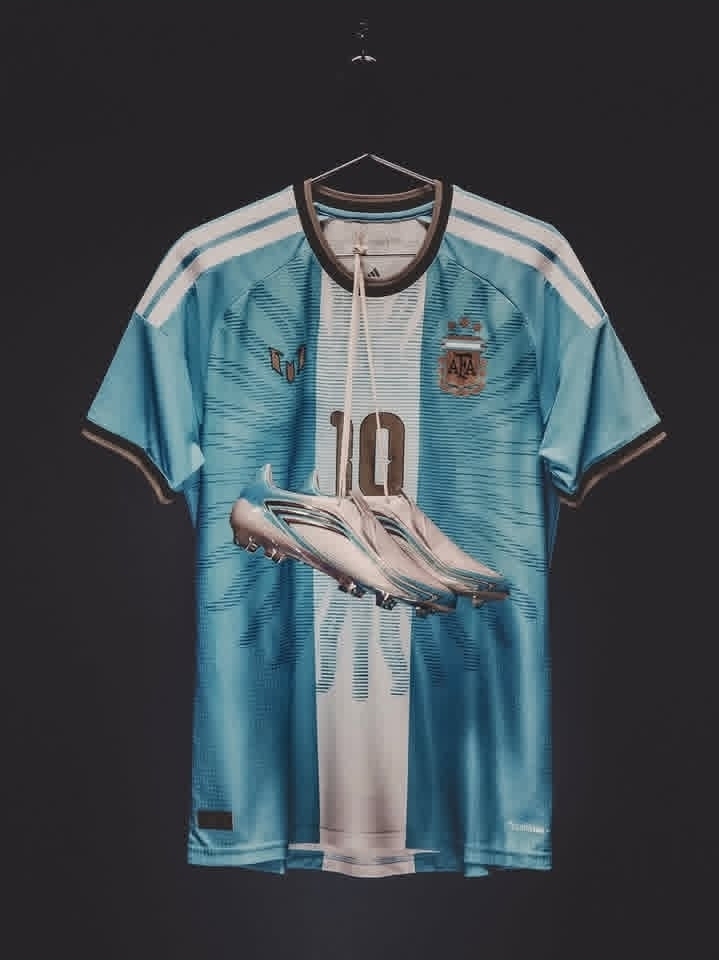
There is a small, lovely detail too. Messi will wear a special farewell shirt, its sky-blue and white brightened by gold lettering that spells his name above the famous number 10. Gold on the back of a man who has spent his life turning moments into gold.
Rodrigo De Paul and Giovani Lo Celso will be at the match alongside him. Those who ran for him and bled with him in Doha will stand in the same light. Around them, generations of supporters will hold up phones and banners and children, so that someday a grandchild can be told: I was there. I saw him play for Argentina one last time.
Fathers who watched a teenage Messi make his debut in 2005 will stand beside sons who never knew an Argentina without him. Two eras will share a single song. When the chant rises, it will be a thank you sung by the whole stadium at once, and it will shake the concrete.
One Last Walk
Nobody knows how the night will unfold, and that is part of its magic. Perhaps he will drift into those pockets of space that only he can see, with the ball glued to his left foot like a loyal thing. Perhaps one final touch, one last impossible pass, will make ninety thousand people gasp as one. Or perhaps the greatest gift will simply be watching him walk out, look up at the noise, and take it all in.
Because that is the truth of Messi and Argentina. He gave them joy, glory and a little of himself in every match. Now, for one more night, they get to give it back.
Cristian Romero will inherit the captain's armband, and Argentina will move on, as nations must. But the number 10 will always mean something different now. It will mean him.
So let the Monumental sing. Let the sky blue and white ripple like the Río de la Plata at dusk. Let the man from Rosario take one last walk onto the grass, with a nation on its feet and the ball at his feet, as it always was.
The final page of the greatest story Argentina has ever told is about to turn. Do not blink. Do not look away.
Gracias, Leo. For everything.