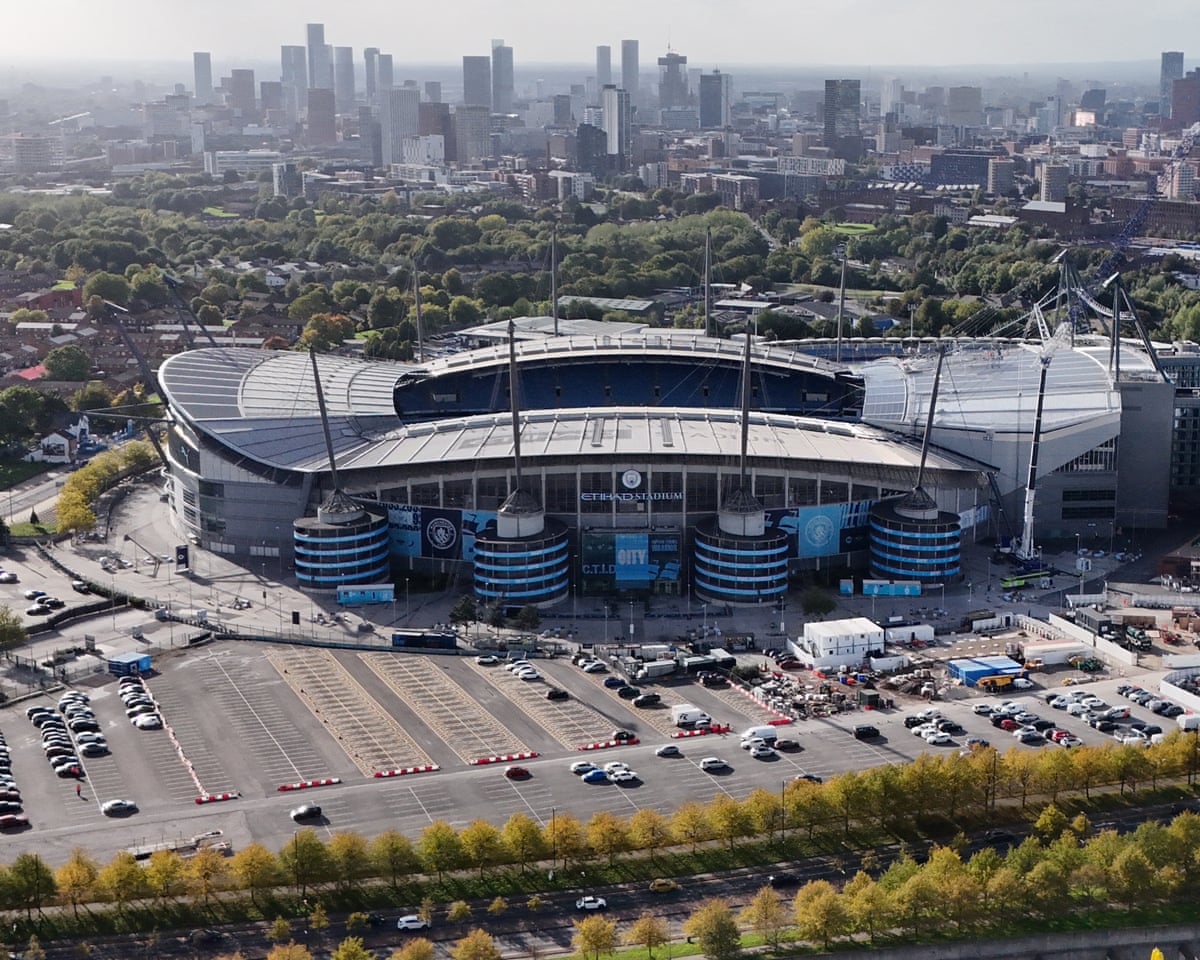
Manchester City has launched a formal appeal against an independent commission’s findings that the club committed serious breaches of Premier League financial rules, while the fallout from the verdict has expanded beyond football amid reports that the United Arab Emirates could reconsider billions of pounds in investment in the United Kingdom.
The Premier League commission found Manchester City guilty of all charges relating to serious financial-rule breaches over a nine-season period from 2009/10 to 2017/18. It concluded that the club had used a series of “sham” commercial arrangements to artificially increase reported revenues and reduce costs, while also finding that City had submitted misstated accounts and breached spending limits imposed by both the Premier League and UEFA.
At the centre of the case is the commission’s finding that more than £830 million in sponsorship revenue recorded by City was actually funded by the Abu Dhabi United Group (ADUG), the company associated with club owner Sheikh Mansour bin Zayed Al Nahyan. The commission concluded that the arrangements disguised owner funding as sponsorship income and helped the club appear compliant with financial regulations.
Manchester City strongly rejects those findings. The club confirmed that it lodged a comprehensive appeal at 7pm on 1 October, arguing that the commission’s opinion contains “clear material errors” of law, principle and fact. City maintains that it is innocent of the allegations and says it has substantial evidence supporting its position. The appeal will be considered by an independent Appeal Board, with the proceedings remaining private until the outcome can be published.
A central part of City's appeal is expected to challenge the commission's conclusion about the source of the disputed sponsorship funding. The club has argued that financial assistance came from the Abu Dhabi government through the Crown Prince Court to help sponsors meet their obligations to City, rather than from Sheikh Mansour's ADUG. The commission rejected that explanation, describing it as an account developed after the events to conceal the true nature of the funding arrangements.
The case has now taken on wider political and economic significance. Reports have said Emirati officials warned that the Premier League's actions could influence the bilateral relationship between the UAE and the UK. The Independent reported that billions of pounds of potential investment could be affected, including plans for a major technology-focused development between Oxford and Cambridge. However, the reported threat concerns potential or planned investment rather than a confirmed withdrawal of existing UK investments.
The dispute has also placed attention on Andy Burnham, who has defended Manchester City's right to challenge the ruling while facing criticism over his involvement. Commentator Jim White has argued that Burnham is making a mistake by becoming involved in the controversy. Burnham has previously said he would not want to “leap to judgment” over the case and indicated that City should be allowed to contest the findings through the appeal process.
The Football Association has meanwhile said the commission's findings have “significant implications for the integrity of the game.” The FA said it was carefully considering the decision and its implications and would take action where appropriate, while declining to comment further because proceedings between the Premier League and Manchester City remain ongoing.
The outcome of City's appeal could therefore have consequences well beyond the club itself. Possible sporting sanctions, including financial penalties, points deductions or other measures, could follow if the findings are upheld, while the wider dispute could continue to test the relationship between football regulation, club ownership and the UK's economic relationship with Abu Dhabi. For now, Manchester City continues to deny wrongdoing and is relying on its appeal to overturn the commission's conclusions.