A Match That Went Into the Early Hours
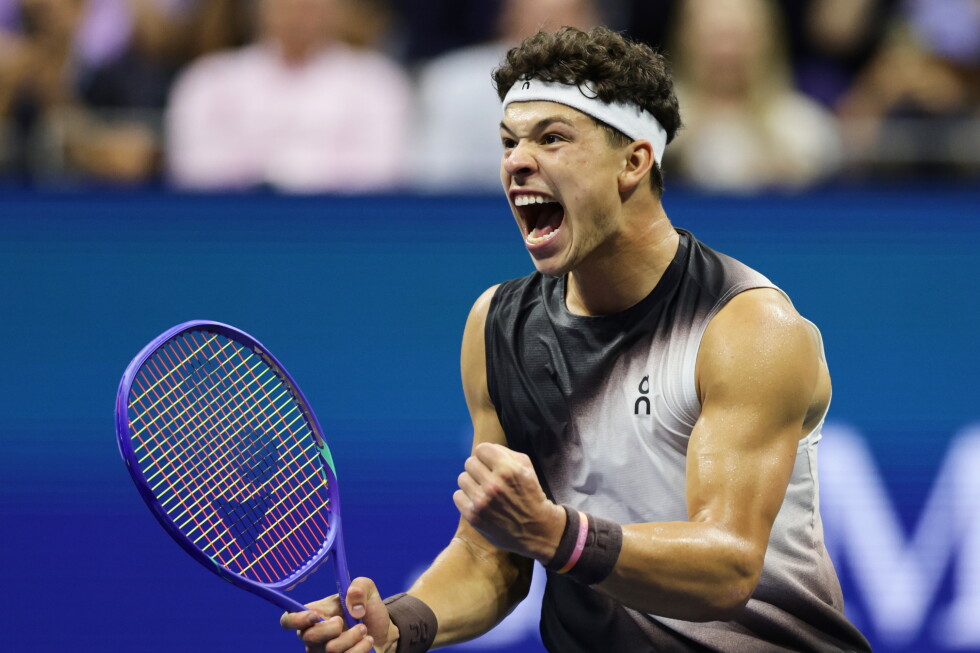
The U.S. Open is facing renewed questions about its scheduling after Ben Shelton defeated defending champion Carlos Alcaraz in a five-set match that ended at around 3:33 a.m.
The extraordinary finish quickly became one of the tournament's biggest talking points, particularly because Shelton, one of America's leading men's players, continued his run deep into the competition.
The issue is not unique to this year's tournament. The U.S. Open and Australian Open have repeatedly faced criticism when matches stretch into the early morning.
Why Is Fixing It So Difficult?
Tennis officials have several possible options, but none is straightforward.
The French Open uses one match during its evening session, although that approach has generated criticism over the distribution of men's and women's matches.
Wimbledon, meanwhile, has an 11 p.m. curfew, something the other Grand Slams do not currently appear ready to adopt.
Several other proposals have been suggested, including:
• Using best-of-three sets for men's matches during the earlier rounds.
• Keeping five-set matches but introducing no-ad scoring.
• Starting day and evening sessions earlier.
• Moving some later-round matches to secondary courts.
The Scheduling Challenge
The Shelton-Alcaraz match followed a particularly long day on Arthur Ashe Stadium, where four matches were scheduled from the morning into the night.
Moving a match to another court could have reduced the delay, but doing so might have created criticism over which players were moved—especially if a women's match or a major American star were affected.
Tennis has successfully introduced changes across the Grand Slams before, including a common 10-point deciding-set tiebreak, showing that agreement is possible.
But late-night finishes are mainly a problem at two of the four Grand Slams, and there is currently no single solution that satisfies players, fans, broadcasters and tournament organizers.
For now, the 3:33 a.m. Shelton-Alcaraz finish has once again highlighted the difficult balancing act facing Grand Slam schedulers.
And the person with perhaps the toughest job? The scheduler.