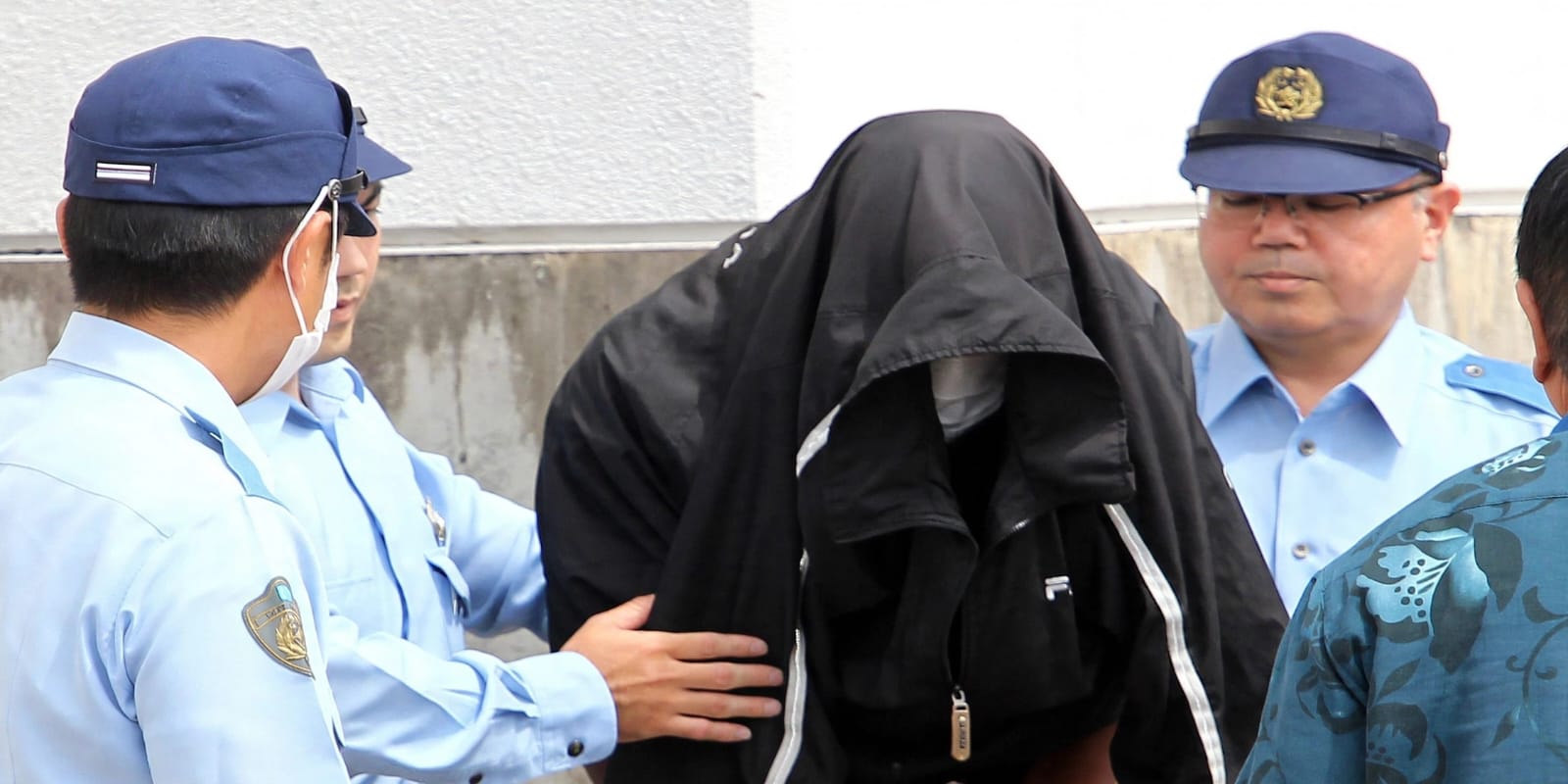

A major law enforcement operation in the Philippines has resulted in the detention of 244 foreign nationals, mostly Chinese, as authorities intensify their campaign against illegal online operations.
The coordinated raids took place on October 2 in Zamboanga Sibugay, in the southern Philippine region of Mindanao.
The operation involved the Philippine Bureau of Immigration (BI), the National Bureau of Investigation (NBI) and the Armed Forces of the Philippines (AFP).
Authorities say the operation targeted suspected illegal activities linked to the country's banned Philippine Offshore Gaming Operator (POGO) industry.
244 Foreign Nationals Detained in Two Raids
Authorities detained 244 foreign nationals during raids at two locations in Zamboanga Sibugay.
At the first site in Siay, 113 people were apprehended. They included 110 Chinese nationals, two Cambodians and one Hong Kong national.
Another 131 foreign nationals were detained at a second location in Alicia. Most were Chinese, while others came from Malaysia, Indonesia and Myanmar.
Authorities are now checking the identities, immigration status and activities of those detained.
The raids also uncovered a large amount of electronic equipment.
Investigators seized approximately 3,000 mobile phones, 78 computer monitors, laptops, SIM cards and other devices.
The discovery of thousands of phones and computer equipment has raised questions about the scale of the online activities being carried out at the locations.
Scam and Human Trafficking Links Under Investigation
The investigation goes beyond immigration violations.
Philippine authorities are examining whether some of those detained were connected to illegal online operations and whether human trafficking offences occurred at the sites.
Scam centres have become a growing concern across Southeast Asia. Criminal networks have been accused of recruiting people with promises of legitimate jobs before forcing or coercing some of them into carrying out online scams.
These operations can target victims in different countries through fake investment opportunities, cryptocurrency schemes, romance scams and other forms of online fraud.
However, authorities have not established that all 244 detainees were involved in criminal activity.
Some could face immigration proceedings, while investigators must determine whether others were involved in illegal operations or may themselves have been victims of trafficking.
Why POGOs Were Banned in the Philippines
POGO stands for Philippine Offshore Gaming Operator.
The industry previously operated legally in the Philippines and provided online gaming services mainly to customers outside the country.
However, the industry came under increasing scrutiny after authorities linked some POGO-related operations to serious crimes, including alleged human trafficking, money laundering, kidnapping and online fraud.
The Philippine government banned POGO operations in 2024.
The prohibition was later strengthened through the Anti-POGO Act of 2025, which prohibits offshore gaming operations and POGO sites in the country.
Despite the ban, authorities continue to discover suspected illegal operations believed to be connected to the former POGO industry.
The latest raids are part of the government's continuing effort to shut down such operations and prevent criminal groups from using the country as a base.
What Happens to the 244 Detainees?
The detained foreign nationals will undergo further investigation and immigration proceedings.
Those found to have violated Philippine immigration laws could face deportation. People deported for immigration violations may also be placed on an immigration blacklist, preventing them from legally returning to the Philippines.
Authorities will separately examine whether there is sufficient evidence to pursue human trafficking or other criminal charges.
Being detained does not automatically mean that a person has been found guilty of a crime.
Investigators must establish the individual circumstances and roles of those detained, including whether they participated in illegal activities, violated immigration rules or were themselves victims of exploitation.
China Responds as Southeast Asia Battles Online Crime
The large number of Chinese nationals among those detained has drawn attention from the Chinese embassy in Manila.
The embassy said it was contacting Philippine law enforcement agencies to obtain more information about the case.
A Chinese embassy spokesperson also noted that gambling is prohibited under Chinese law, including gambling by Chinese nationals overseas or working for gambling companies.
The operation also highlights a wider problem facing Southeast Asia.
The United Nations has previously warned about people being trafficked into scam centres across the region, where victims can be forced to participate in online fraud.
Countries including Myanmar, Cambodia, Laos, Thailand and the Philippines have all faced concerns over large-scale online scam networks.
These operations increasingly combine technology, organized crime and international recruitment, allowing criminals to target victims far beyond the countries where the scam centres are located.
For Philippine authorities, the latest crackdown is another major effort to enforce the country's POGO ban and prevent illegal online networks from taking root.
The investigation into the 244 detainees remains ongoing.