A NATIONWIDE OPERATION PUTS LGBTQ RIGHTS BACK IN THE SPOTLIGHT
Turkish authorities have launched a wide-ranging police operation against LGBTQ organisations, activists and venues, bringing the country's increasingly restrictive approach to LGBTQ issues back into international focus.
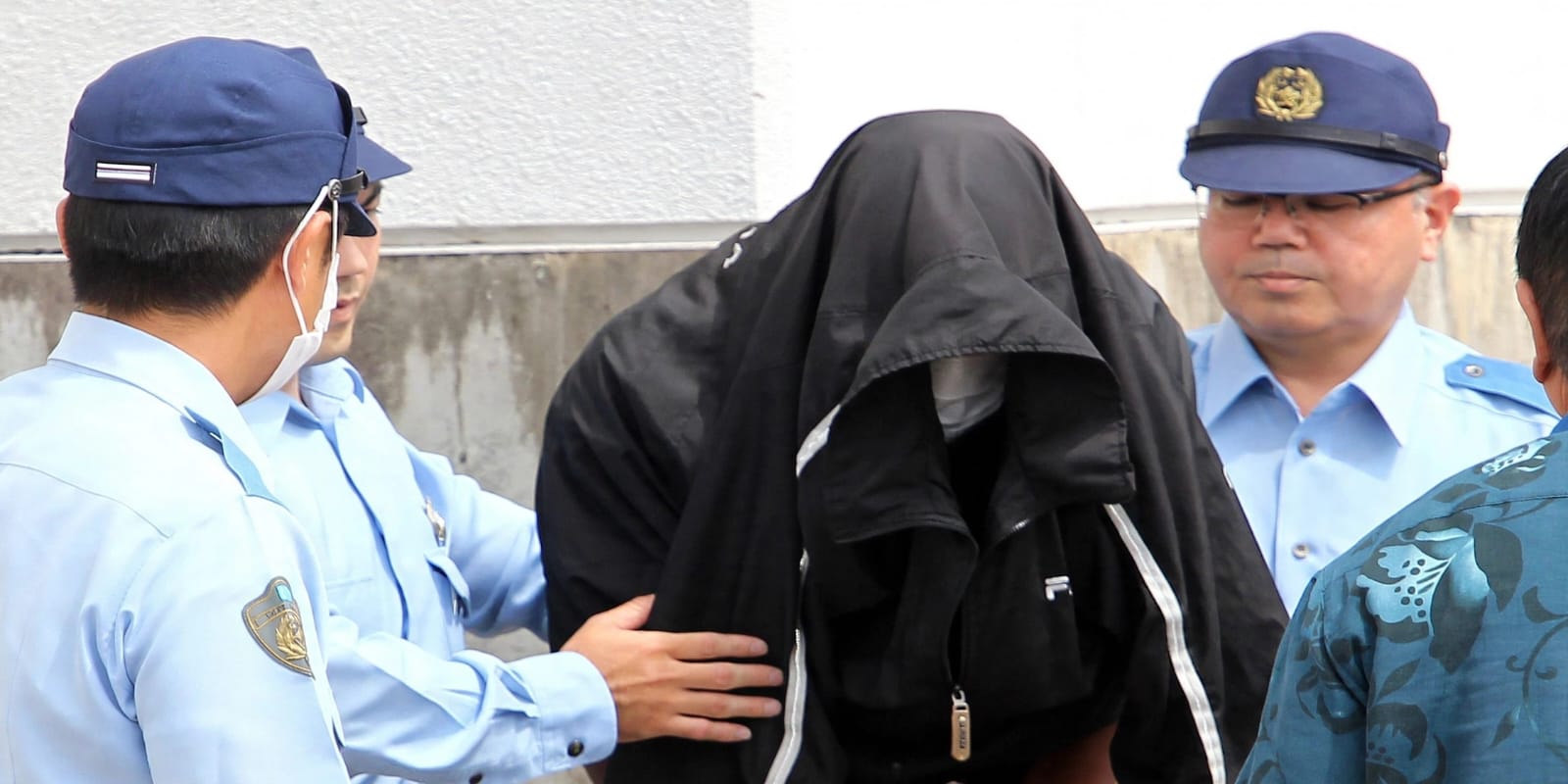
Coordinated raids began in the early hours of Sunday across several Turkish cities, including Istanbul, Ankara, Izmir, Aydin and Mersin.
Police searched association offices, private residences and entertainment venues as part of an investigation officials have linked to allegations including prostitution and obscenity.
The government says the operation is intended to protect children, families and public order.
DOZENS HAVE BEEN DETAINED, BUT THE INVESTIGATION IS MUCH LARGER
At least 47 people had been detained according to an initial Reuters report, while later reporting cited at least 63 detentions.
The Turkish Justice Ministry said legal proceedings had been initiated against 162 suspects, nine associations and 13 businesses across 15 provinces.
Those figures should not be confused: the 162 people are suspects involved in the wider investigation, not 162 confirmed arrests.
Authorities said searches resulted in the seizure of digital equipment and other items, while access to numerous websites and social media accounts connected to LGBTQ organisations and activists was also restricted.
ANKARA SAYS IT IS DEFENDING FAMILIES AND CHILDREN
Justice Minister Akin Gurlek has described the operation as part of the government's “My Family is Safe” campaign.
He linked the initiative to President Recep Tayyip Erdogan's broader 2026–2035 Family and Population programme, which focuses on family policy and Turkey's demographic challenges.
Government officials argue that the state has a responsibility to protect children, young people and the family structure.
Authorities have also raised questions about alleged foreign funding received by some organisations and said financial investigations are continuing.
LGBTQ ORGANISATIONS REJECT THE GOVERNMENT'S CHARACTERISATION
Rights groups strongly dispute the way the crackdown has been presented.
Kaos GL, one of Turkey's most prominent LGBTQ rights organisations, said its office was searched and that numerous activists had been detained or subjected to legal proceedings.
The organisation said around 50 rights defenders had been affected by the operation.
The Turkish Human Rights Association accused the government of using the language of family protection to justify what it described as discrimination and pressure against civil society.
THE INTERNET HAS ALSO BECOME PART OF THE CRACKDOWN
The operation has extended beyond physical searches.
Websites and social media accounts associated with LGBTQ organisations, activists and rights advocates were blocked or restricted.
For civil society organisations, such restrictions can have consequences far beyond visibility.
Online platforms are often used to publish legal information, communicate with supporters, organise activities and document alleged rights violations.
The restrictions have therefore become another major point of concern among rights advocates.
TURKEY'S LGBTQ DEBATE HAS BEEN GROWING MORE CONFRONTATIONAL
The latest operation follows years of increasing tension between the Turkish government and LGBTQ organisations.
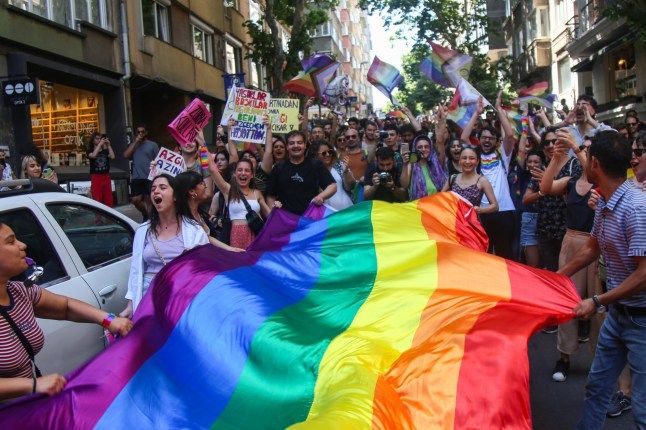
Istanbul's Pride events have faced restrictions since 2015, while authorities have repeatedly prevented large LGBTQ gatherings from taking place.
Government rhetoric has also increasingly focused on traditional family structures and demographic concerns.
Critics argue that this approach has created an increasingly hostile environment for LGBTQ people and organisations.
WHY THE FAMILY POLICY MATTERS
Turkey is facing demographic pressures, including a declining birth rate and an ageing population.
The government has responded by placing family and population policy much higher on its political agenda.
That has created a direct collision with LGBTQ rights groups, which argue that family policy should not be used to restrict their existence or civil society activity.
The latest raids show how closely questions of demographics, morality, public order and political power have become intertwined.
EUROPE WATCHES THE DEVELOPMENTS
The crackdown has also attracted criticism from European officials.
Nacho Sanchez Amor, the European Parliament's rapporteur on Turkey, described the arrests as a serious escalation of repression.
Human rights organisations have similarly warned that the operation could further weaken freedom of association and expression.
The criticism is significant because Turkey's relationship with European institutions already includes longstanding disagreements over democracy, human rights and the rule of law.
THE KAOS GL CASE COULD BECOME A KEY TEST
Kaos GL is among the organisations most directly affected by the latest operation.
Turkish prosecutors have reportedly examined online material published by the group as part of an investigation involving alleged obscenity.
Kaos GL disputes the government's characterization of its work.
The outcome of the investigation could therefore become an important test of how far Turkish authorities can go in regulating LGBTQ advocacy and online expression.
A CRACKDOWN WITH CONSEQUENCES BEYOND THE RAIDS
The immediate focus is on those detained and the organisations under investigation.
But the wider consequences could be much larger.
If more prosecutions follow, LGBTQ organisations may face greater difficulty operating, while activists could become more cautious about public advocacy.
For critics of the government, that is precisely why the operation matters: they fear the raids could establish a broader precedent for restricting independent civil society.
WHAT HAPPENS NEXT?
The investigations remain ongoing.
Prosecutors will determine whether individuals under investigation face formal charges, while authorities are expected to continue examining digital material, financial records and other evidence.
Rights organisations are likely to challenge the detentions and restrictions.
The coming weeks could therefore determine whether Sunday's raids remain a major but limited police operation or become the beginning of a much broader legal campaign.
CONCLUSION
Turkey's latest operation has placed LGBTQ rights, family policy and civil liberties at the centre of another major national controversy.
Dozens of people have been detained, while authorities say 162 suspects, nine associations and 13 businesses are part of the wider investigation.
The government says it is acting to protect children, families and public order.
LGBTQ organisations and rights groups argue that the operation represents a dangerous expansion of state pressure on civil society.
As prosecutors continue their investigations, the outcome could become an important measure of how much space remains for LGBTQ advocacy and independent organisations in modern Turkey.