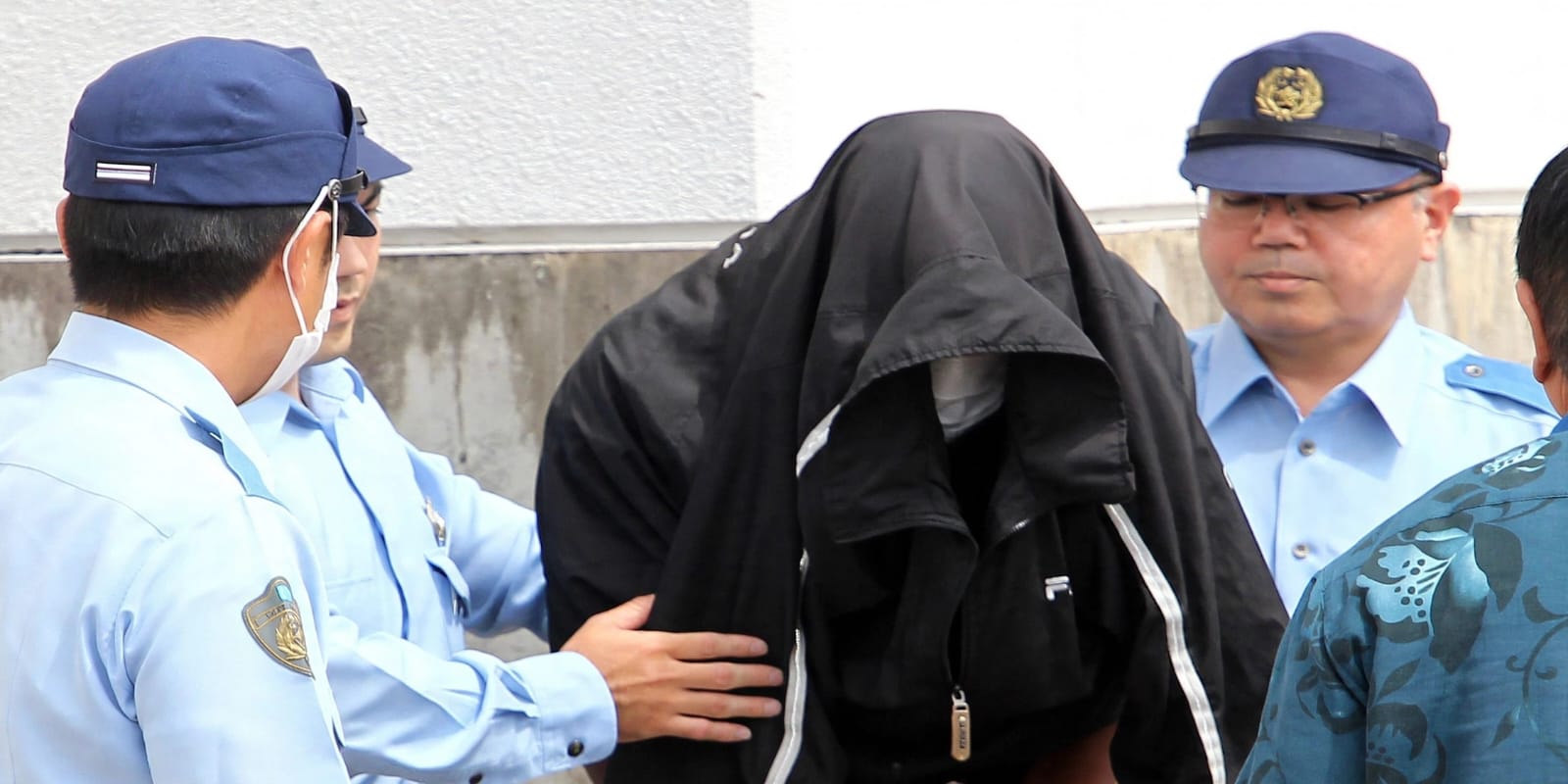
Twenty-three people have died in U.S. immigration custody since the beginning of 2026, according to the United Nations, prompting the UN human rights chief to call for greater accountability over deaths in detention.
Speaking to the UN Human Rights Council on September 7, UN High Commissioner for Human Rights Volker Türk said four more people had died since his previous update to the council in June.
“There needs to be accountability for these deaths,” Türk said.
The latest figure represents an increase from the 18 deaths reported by the UN in June. At the time, Türk said the deaths had occurred during the first five months of the year and urged U.S. authorities to take urgent measures to prevent further loss of life.
The deaths occurred within a U.S. immigration detention system operated primarily through Immigration and Customs Enforcement (ICE), an agency of the Department of Homeland Security. ICE publishes records of deaths involving people in its custody.
Türk's comments come as the Trump administration continues to expand immigration enforcement across the United States, with arrests reaching levels that have drawn increased attention from human-rights groups and other observers.
ICE recorded 49,571 arrests in July, according to agency data analyzed by the Associated Press. It was the highest monthly total recorded during President Donald Trump's second administration.
The July figure was up from 43,021 arrests in June and 29,241 in February, according to the AP analysis.
The number represents arrests, not the total number of people held in immigration detention during July and August. That distinction is important because not everyone arrested by ICE remains in custody.
About half of those arrested in July were apprehended in the community rather than while already being held in a jail or prison, according to the AP analysis. State and local law-enforcement agencies working with ICE accounted for approximately 6,500 of the month's arrests.
The sharp rise in enforcement has intensified a broader debate over the administration's immigration policies. The government has argued that increased enforcement is necessary to uphold immigration laws and remove people who are in the country unlawfully. Critics have questioned the scale of the operation and raised concerns about detention conditions and access to adequate care.
The UN has stopped short of attributing all of the deaths directly to ICE misconduct. The circumstances surrounding individual cases differ, and determining whether negligence, inadequate medical care or other factors contributed requires investigation into each death.
Human-rights organizations have nevertheless called for greater transparency and independent scrutiny of deaths in immigration detention.
The UN has previously urged U.S. authorities to ensure that deaths in custody are investigated promptly, independently and impartially, while also taking measures to prevent further deaths.
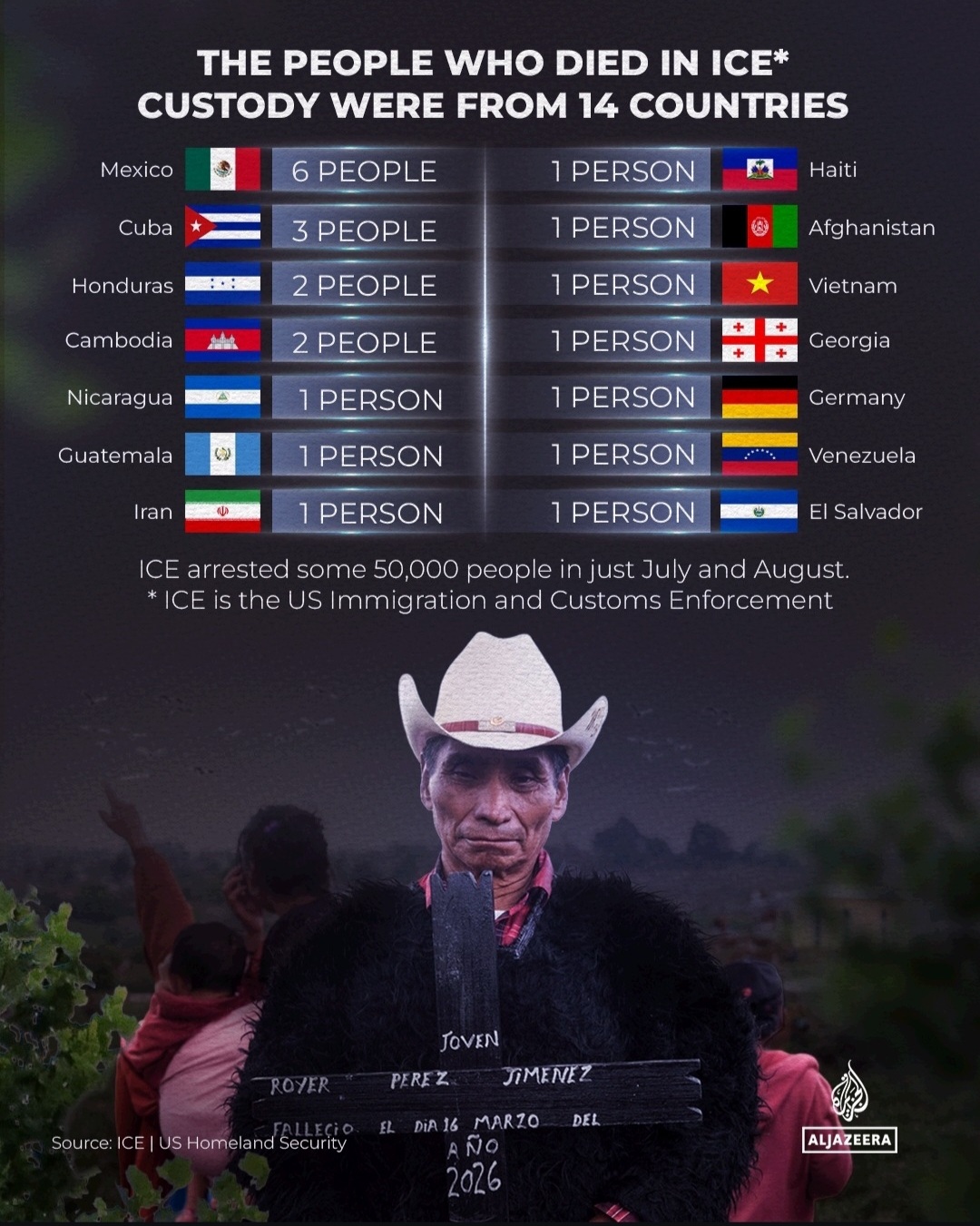
A country-by-country breakdown of the 23 deaths has also circulated online (as shown above), with Mexico, Cuba, Honduras and Cambodia among the nationalities listed. However, the exact breakdown could not be independently verified against a consolidated official ICE dataset and should therefore not be treated as confirmed without supporting case records.
What is independently established is the overall figure reported by the UN: 23 people had died in U.S. immigration custody by September 7, 2026.
The figure comes as immigration enforcement remains one of the most contentious issues in American politics. With arrests continuing at high levels, scrutiny of the conditions faced by people in detention—and of how deaths in custody are investigated—is likely to remain a significant part of the debate over the U.S. immigration system.