SpaceX Targets USSF-259 Launch as Veteran Falcon 9 Booster Prepares for 13th Flight
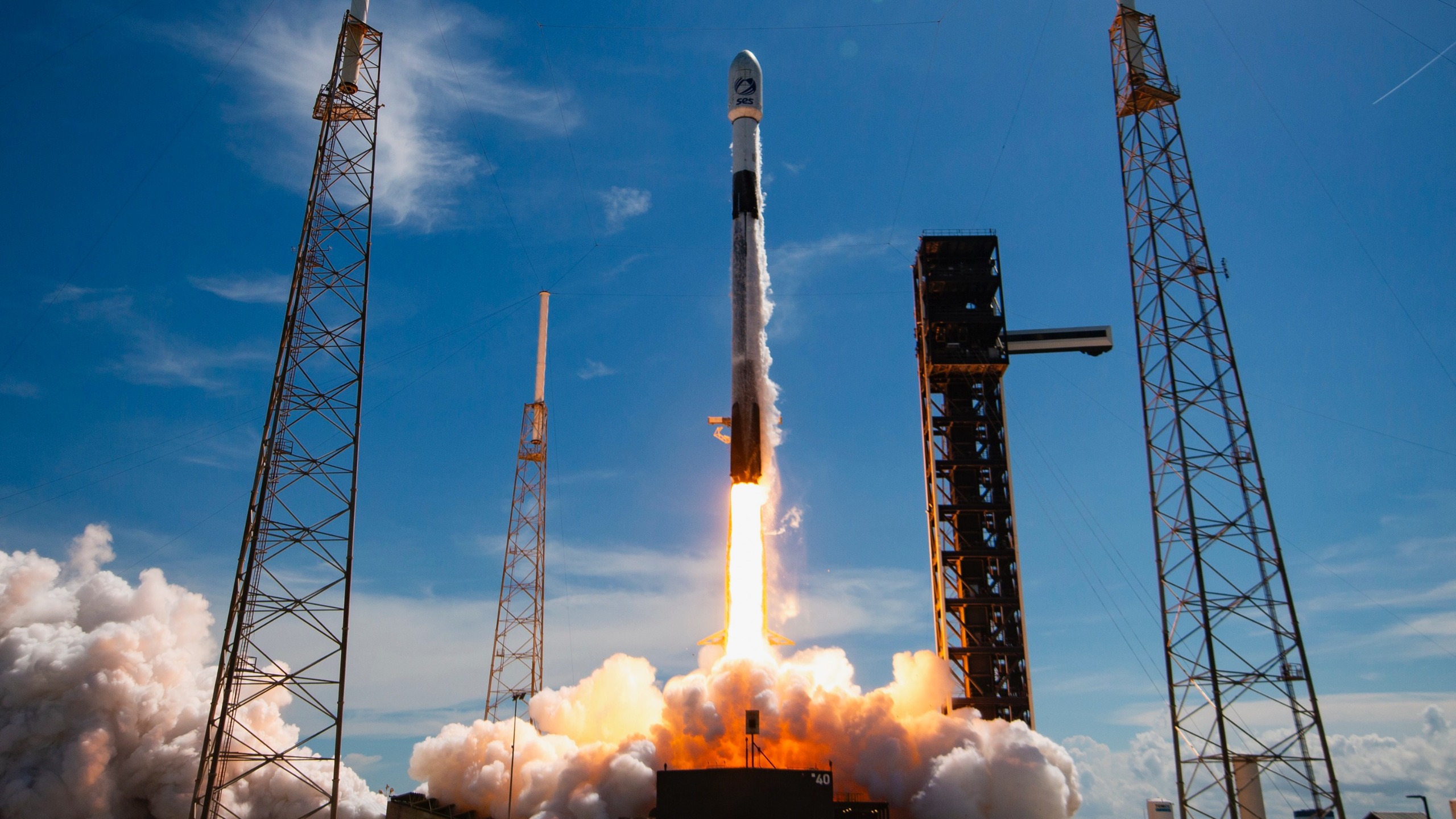
SpaceX is targeting Wednesday, September 16, for the launch of the U.S. Space Force's USSF-259 mission aboard a Falcon 9 rocket from Space Launch Complex 4 East at Vandenberg Space Force Base in California. The four-hour launch window is scheduled to open at 6:00 p.m. Pacific Time, with the mission forming part of the growing number of national-security launches carried out using SpaceX's reusable Falcon 9 system.
The mission will be supported by a Falcon 9 first-stage booster making its 13th flight. The booster has previously been used for a range of missions, including the Sentinel-6B Earth-observation satellite, the Twilight mission, the classified NROL-172 mission, the Transporter-17 rideshare mission and eight Starlink flights. Its repeated use highlights the role of rocket reusability in reducing the need to manufacture a new first stage for every launch.
After separating from the Falcon 9's upper stage, the booster is expected to attempt another controlled landing on SpaceX's autonomous droneship Of Course I Still Love You, which will be positioned in the Pacific Ocean. Recovering the booster allows SpaceX to refurbish and fly it again, although each mission presents different technical and environmental challenges during ascent and landing.
USSF-259 is a U.S. Space Force mission, placing it within the country's broader national-security space programme. Details surrounding military payloads are often limited because of their sensitive nature, meaning information publicly available about the spacecraft, its capabilities and its intended operations can be considerably more restricted than for commercial or scientific missions.
The launch also illustrates the increasing importance of reusable launch vehicles to government space programmes. Falcon 9 has become a major vehicle for both commercial and government missions, allowing SpaceX to combine a reusable first stage with expendable upper-stage hardware to place payloads into orbit.
The scheduled launch from Vandenberg is part of a busy period for the U.S. launch industry, as government agencies and private companies continue deploying satellites for communications, Earth observation, navigation, scientific research and national security. Reusability has become an increasingly important part of this activity because it can support more frequent launches while potentially lowering some of the costs associated with building new rockets.
If conditions remain favourable, USSF-259 will proceed within its scheduled launch window on September 16. As with all orbital launches, however, weather, technical issues or range-safety considerations can result in delays or changes to the schedule.