DR Congo passes a grim Ebola milestone
The Ebola outbreak in the Democratic Republic of Congo has reached a devastating new milestone.
Government figures released on Friday show that 4,018 people have died, while confirmed infections have climbed to 8,300 across seven provinces.
The outbreak, caused by the Bundibugyo species of Ebola virus, is now the largest and deadliest Ebola outbreak in the history of the DRC. It has surpassed the country's previous major outbreak between 2018 and 2020.
The fight is getting harder
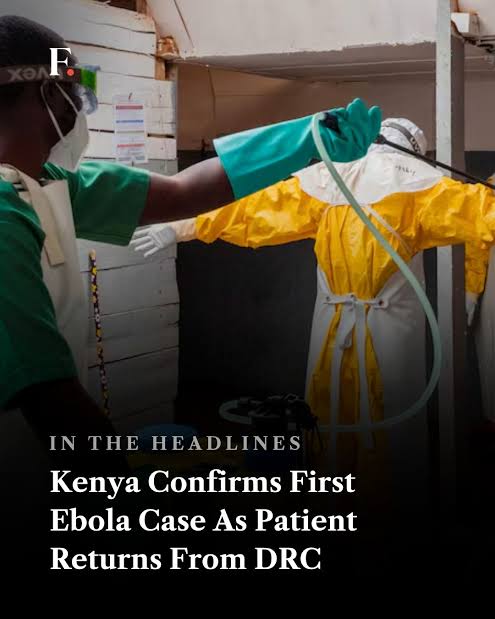
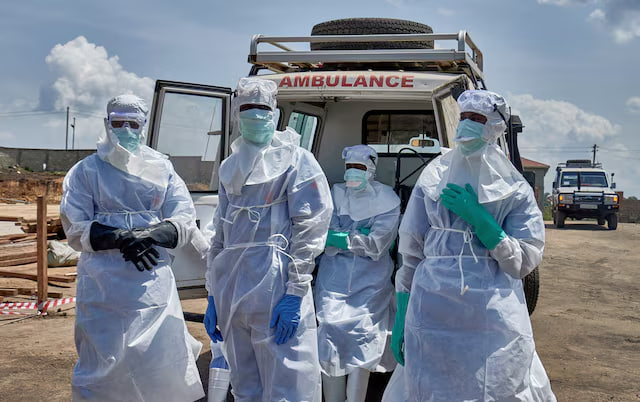
Containing Ebola is already a race against time. But in eastern Congo, health workers are facing problems that go far beyond the virus itself.
Remote communities, poor roads, insecurity and ongoing conflict have made it difficult for medical teams to reach people quickly.
Population movement is adding another layer of concern, with people continuing to move between affected communities and across borders.
Thousands flee an Ebola-affected camp
One of the biggest setbacks came after an Ebola transit centre at a displacement camp near Bunia was burned during a military operation.
The incident triggered a mass departure from the camp, with about 19,000 people fleeing.
That movement has created a fresh challenge for health officials because people leaving an area affected by Ebola can be difficult to locate and monitor.
The virus is spreading in a difficult environment
The outbreak began in Ituri Province but has since expanded to seven provinces and dozens of health zones.
Health officials are working in areas affected by insecurity, population movement and limited access to healthcare.
Community cooperation is also critical. Health teams depend on people reporting suspected cases, accepting testing and helping with contact-tracing efforts.
There is some good news
Despite the alarming numbers, the situation is not without signs of progress.
More than 2,000 patients have recovered, while authorities have reported that transmission has slowed in some areas.
However, the decline does not mean the outbreak is over. The virus continues to circulate in parts of eastern Congo, and officials are still working to identify infections quickly and prevent new transmission chains.
Why the outbreak is being closely watched
The current epidemic has become the second-largest Ebola outbreak ever recorded, behind the 2014–2016 West Africa epidemic.
Its expansion across several provinces and the movement of people through the region have raised concerns about further cross-border transmission.
The situation is particularly challenging because the Bundibugyo virus involved in this outbreak does not currently have an approved vaccine or specific treatment.
The battle is far from over
For Congo's health workers, the challenge now is to keep finding cases, tracing contacts and reaching affected communities while dealing with insecurity and displacement.
The latest figures show just how serious the outbreak has become. But they also underline another reality: stopping Ebola requires not only medical teams and laboratories, but also safe access to communities and public cooperation.
With thousands of lives already lost, the coming weeks will be critical for determining whether the response can finally slow the outbreak or whether the virus will continue finding new ground.