Cristiano Ronaldo and Portugal: Is the Legendary International Career Finally Nearing Its End?
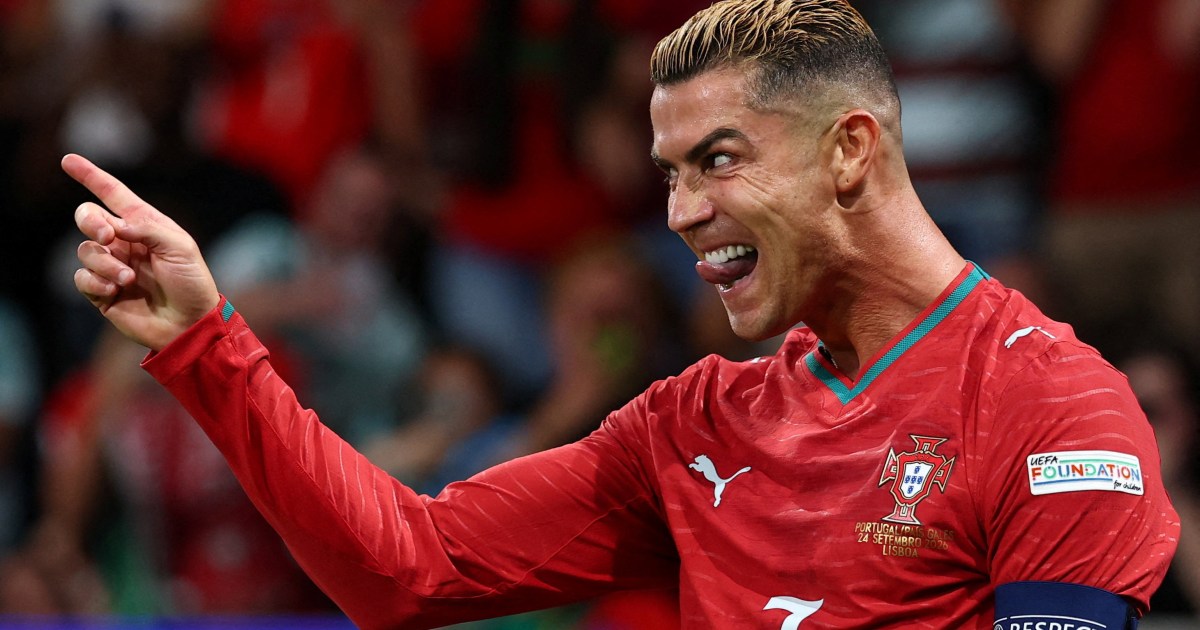
For more than two decades, Cristiano Ronaldo has been one of the defining figures in international football. From his Portugal debut in 2003 to his record-breaking performances at major tournaments, the forward has built a legacy that includes historic goal-scoring achievements, international trophies and an enduring influence on Portuguese football. However, at 41, questions about the final chapter of his international career have intensified following Portugal’s exit from the 2026 FIFA World Cup and a recent disagreement with the national team’s management.
Ronaldo’s World Cup journey ended in July when Portugal were eliminated by Spain in the round of 16. The tournament marked his sixth World Cup appearance, having previously represented Portugal in Germany in 2006, South Africa in 2010, Brazil in 2014, Russia in 2018 and Qatar in 2022. During the 2026 competition, he became the first player to score at six different editions of the men’s World Cup, adding another milestone to an already remarkable career. Following Portugal’s elimination, Ronaldo confirmed that he would not play in another World Cup, although he initially left his wider international future undecided.
Ronaldo’s international record remains one of the most extraordinary in football. He is Portugal’s all-time leading scorer, with 146 goals in 234 appearances, and has played a central role in the country’s modern football success. His achievements include helping Portugal win the 2016 European Championship and two UEFA Nations League titles. Beyond the statistics, his longevity at the highest level has made him a central figure for successive generations of Portuguese players and supporters.
The uncertainty surrounding his future increased in late September when Ronaldo unexpectedly left Portugal’s training camp ahead of a Nations League match against Denmark. The departure followed his omission from the playing action against Norway, where he warmed up but remained an unused substitute. The incident prompted speculation that tensions with new head coach Jorge Jesus could bring his international career to an abrupt end.
Ronaldo addressed the controversy in a lengthy statement released on October 6. He claimed that Jesus had failed to honour an agreement concerning how his absence from the Norway and Denmark matches would be explained publicly. According to Ronaldo, the arrangement was intended to manage his fitness and clarify that he had not demanded a guaranteed place in the starting lineup. He said the coach’s subsequent public comments differed from what they had discussed privately, leading him to leave the camp. These claims represent Ronaldo’s account of the dispute; Jesus has denied making the agreement described by the player.
The Portugal captain also acknowledged that his departure had consequences. He apologised to his teammates for leaving the squad and to supporters after failing to greet them following the match against Norway. Ronaldo said the Portuguese Football Federation should assess his actions and impose any appropriate punishment, rather than treating him differently because of his status in the team.
Crucially, however, Ronaldo stopped short of announcing his retirement from international football. He said he would remain available for Portugal if he was physically fit, performing for his club and had served any suspension imposed following the incident. His statement has therefore shifted the immediate question from whether he has retired to whether he and the national team can resolve their differences before the next international fixtures.
Jesus has also left the door open for a return. The Portugal coach has said that the decision ultimately rests with Ronaldo and emphasised that the forward remains important to the national team, whether he is playing or not. Portuguese Football Federation president Pedro Proença has similarly described the episode as a misunderstanding that should be resolved internally. Portugal have continued to secure results in Ronaldo’s absence, adding another dimension to the discussion about the team’s future and the veteran forward’s role within it.
Ronaldo’s future with Portugal is consequently not settled. His decision to rule out another World Cup does not automatically mean he is ready to end his international career, and his recent statement explicitly leaves room for a return. The coming weeks may determine whether the disagreement with Jesus is resolved and whether Ronaldo will be part of Portugal’s plans for its next fixtures.
Whatever happens next, Ronaldo’s place in Portugal’s football history is secure. His six World Cup appearances, record international goal tally and contribution to the country’s major tournament successes have established a legacy that extends beyond the outcome of a single match or disagreement. Whether his remaining international appearances number in the dozens, a handful or none at all, the end of his Portugal journey will mark the close of one of the most significant careers in the history of the national team.