Rwanda Targets Formula 1 Grand Prix as Africa Awaits Motorsport’s Return
Rwanda is stepping up its ambition to bring Formula 1 racing back to Africa, pursuing a project that could strengthen the country's international sporting profile while creating new opportunities in tourism, hospitality, employment and infrastructure development.
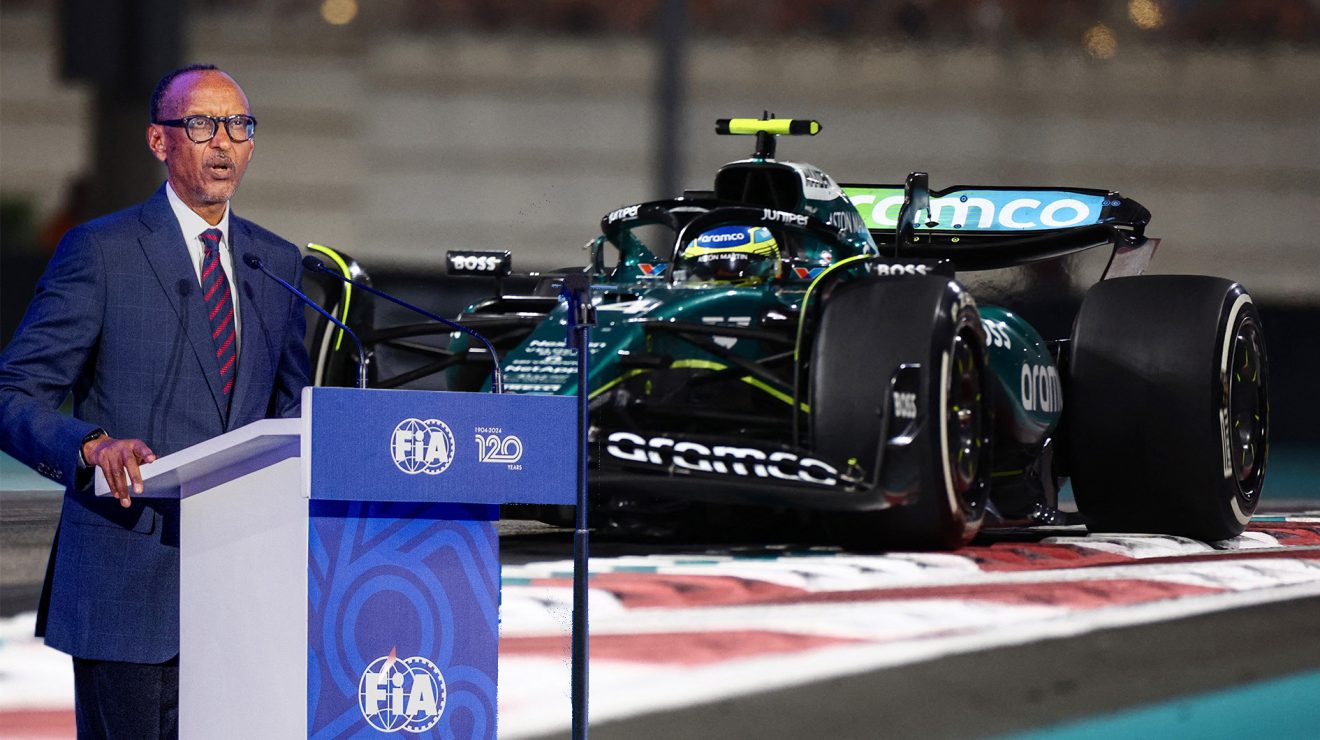
The country formally announced its bid to host a Formula 1 Grand Prix in December 2024, when President Paul Kagame addressed the Fédération Internationale de l'Automobile (FIA) General Assemblies in Kigali. During his speech, Kagame highlighted Rwanda's investments in sports facilities, including BK Arena and the renovated Amahoro Stadium, while emphasising the wider economic benefits of hosting major sporting events. He also called for cooperation with Formula 1 and other stakeholders to advance the proposal.
Rwanda's plans extend beyond its existing sports venues. A proposed permanent racing circuit is expected to be located near Bugesera International Airport, approximately 40 kilometres from the capital, Kigali. Former Formula 1 driver Alexander Wurz and his design company have been associated with the circuit project, which is intended to take advantage of the area's natural landscape. However, Rwanda does not yet have a circuit capable of hosting a Formula 1 Grand Prix, meaning substantial construction and infrastructure development would be required before a race could take place.
The prospect of a Rwandan Grand Prix has gained renewed attention following reports published in October 2026 suggesting that an agreement had been reached for the country to host a race from 2030. Sources cited by international media indicated that the proposal had received support and that an official announcement could follow. However, as of October 13, Formula 1, the FIA and the Rwandan government had not publicly confirmed a final hosting agreement. The reported 2030 date should therefore be treated as a potential target rather than a confirmed race on the championship calendar.
If the project proceeds, its potential economic impact could extend well beyond race weekend. International sporting events can generate demand for hotels, restaurants, transport services, entertainment and other businesses. Rwanda hopes that attracting Formula 1 could increase international visitor numbers, create employment opportunities and encourage investment in related industries. The government has already promoted sports as part of a broader strategy to develop tourism and strengthen the country's position as a destination for major international events.
Nevertheless, hosting Formula 1 presents significant financial and technical challenges. A new circuit would need to meet strict FIA safety requirements, while the wider project would require suitable transport links, accommodation, paddock facilities, medical services and infrastructure for teams, spectators and international media. The cost of construction and the long-term expense of hosting a Grand Prix would also need to be weighed against the expected economic returns. Rwanda's ability to deliver the necessary facilities and establish a sustainable financial model will be central to the project's progress.
Rwanda is not the only African destination interested in hosting Formula 1. South Africa has also pursued a return to the championship, with venues including the historic Kyalami circuit previously discussed as potential options. The continent last hosted a Formula 1 race at the South African Grand Prix in 1993. A successful Rwandan bid would therefore represent a significant development for African motorsport, although the final outcome depends on formal approval and the completion of the required preparations.
Ultimately, Rwanda's Formula 1 ambition is about more than bringing a major racing event to the country. It reflects a wider effort to use sport to attract investment, develop infrastructure and expand international tourism. Whether that ambition becomes reality will depend on the construction of a suitable circuit, the resources committed to the project and the final decisions of Formula 1 and the sport's governing bodies. For now, the proposal places Rwanda among the leading contenders in the effort to bring Grand Prix racing back to Africa.