A tree standing in a Kenyan forest may look like just a tree, a clean cookstove in a rural household may look like a simple piece of technology. But inside today’s carbon market, both can potentially become something else: a financial asset representing a tonne of greenhouse gas emissions reduced or removed from the atmosphere. That is the basic idea behind a carbon credit.
One carbon credit generally represents one metric tonne of carbon dioxide equivalent (CO₂e) that has been reduced, avoided or removed through a specific project. Credits can then be bought by organisations seeking to compensate for emissions, particularly in voluntary carbon markets, or used within certain regulated systems. The World Bank describes carbon pricing and markets as mechanisms that put an economic value on greenhouse gas emissions, creating incentives for lower-carbon activities.
But a tonne of carbon does not simply become a credit because someone claims it was saved.
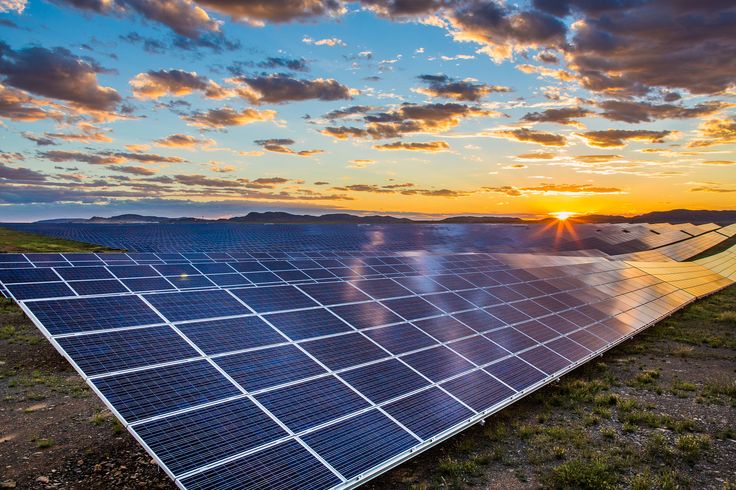
The process starts with a project. It could involve protecting a forest from deforestation, restoring degraded land, installing renewable energy, improving waste management or replacing traditional cooking methods with cleaner technologies. Developers estimate how much greenhouse gas the project is expected to reduce compared with a defined baseline.
That baseline matters. If a project claims that 100,000 tonnes of emissions were avoided, there must be a credible way to establish what would have happened without the project.
Projects are then subject to methodologies, monitoring and verification requirements. Depending on the market and standard involved, independent validation and verification bodies assess whether the claimed reductions meet the relevant rules. Only after the required checks are completed can credits be issued.
Africa is increasingly positioning itself within this system.
The continent has significant potential for projects involving forests, renewable energy, agriculture, land restoration and clean cooking. The African Carbon Markets Initiative, launched at COP27, set ambitions to scale African carbon markets dramatically, including reaching 300 million credits produced annually by 2030. That is a market ambition, not a guarantee, but it illustrates the growing attention being given to Africa's carbon resources.
For communities, the attraction is not only the carbon itself. A well-designed project can combine emissions reductions with other benefits. A clean-cooking project, for example, can reduce emissions while lowering household exposure to cooking smoke and reducing the amount of fuel families need. Forest projects can potentially generate revenue while supporting conservation and local livelihoods.
Yet this is where the carbon-credit story becomes complicated.
A credit is only as meaningful as the emissions reduction it represents. Critics have raised concerns about inflated climate claims, weak baselines, inadequate monitoring and projects that do not deliver promised benefits to communities. Carbon Market Watch and other researchers have repeatedly highlighted the risk of companies using credits as a substitute for cutting their own emissions.
Africa also faces questions over land rights, ownership of carbon benefits, community participation and who ultimately receives the revenue.
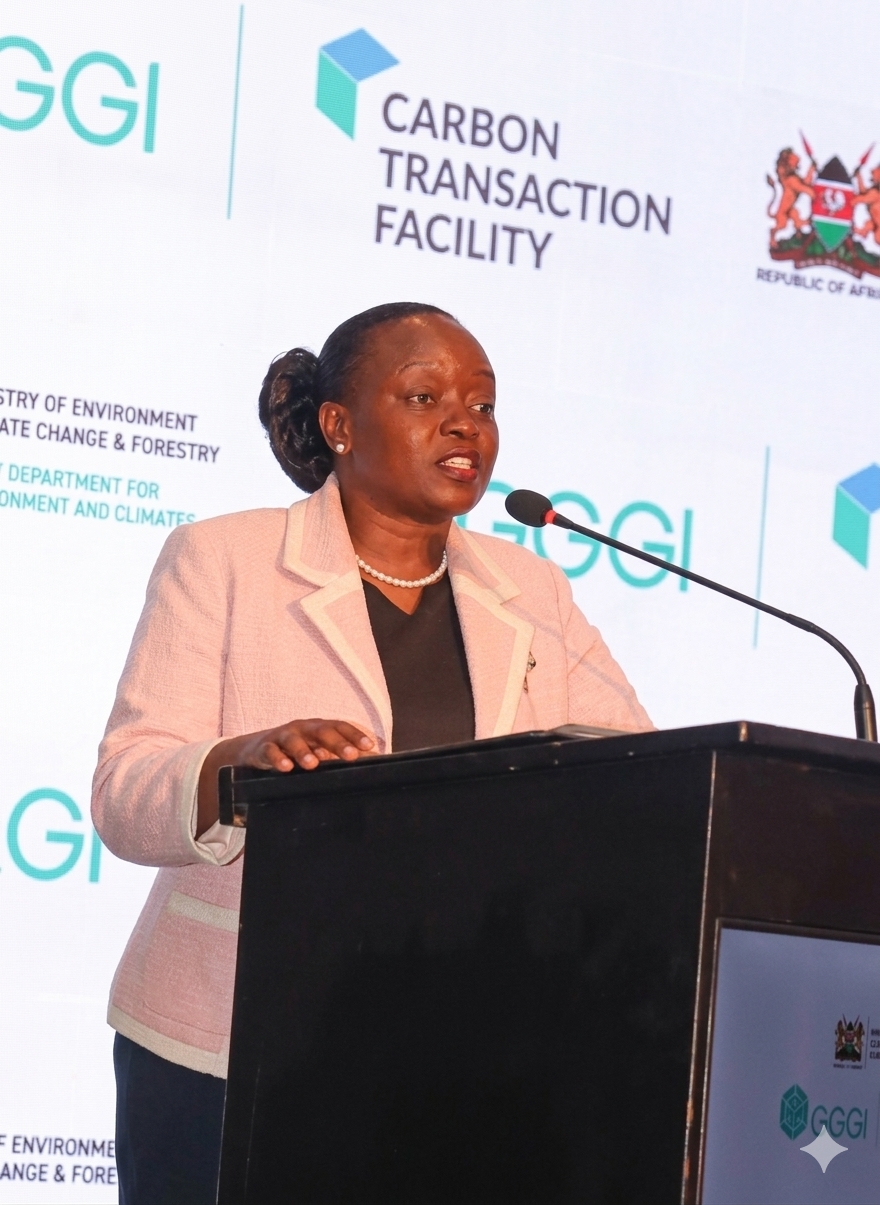
These questions are becoming increasingly important as governments develop frameworks for carbon markets. Kenya, for example, introduced the Climate Change (Carbon Markets) Regulations, 2024, establishing rules for carbon projects and benefit-sharing within the country.
The bigger story, then, is not simply that Africa can sell carbon credits.
It is whether the continent can build carbon markets in which the numbers on a trading platform remain connected to something real on the ground: a forest protected, a tonne of emissions genuinely avoided, cleaner energy delivered, or a community receiving a fair share of the value created.
Carbon may be invisible. The money attached to it is not. And for Africa, the real test of the carbon market will be what happens to both.