10 published articles
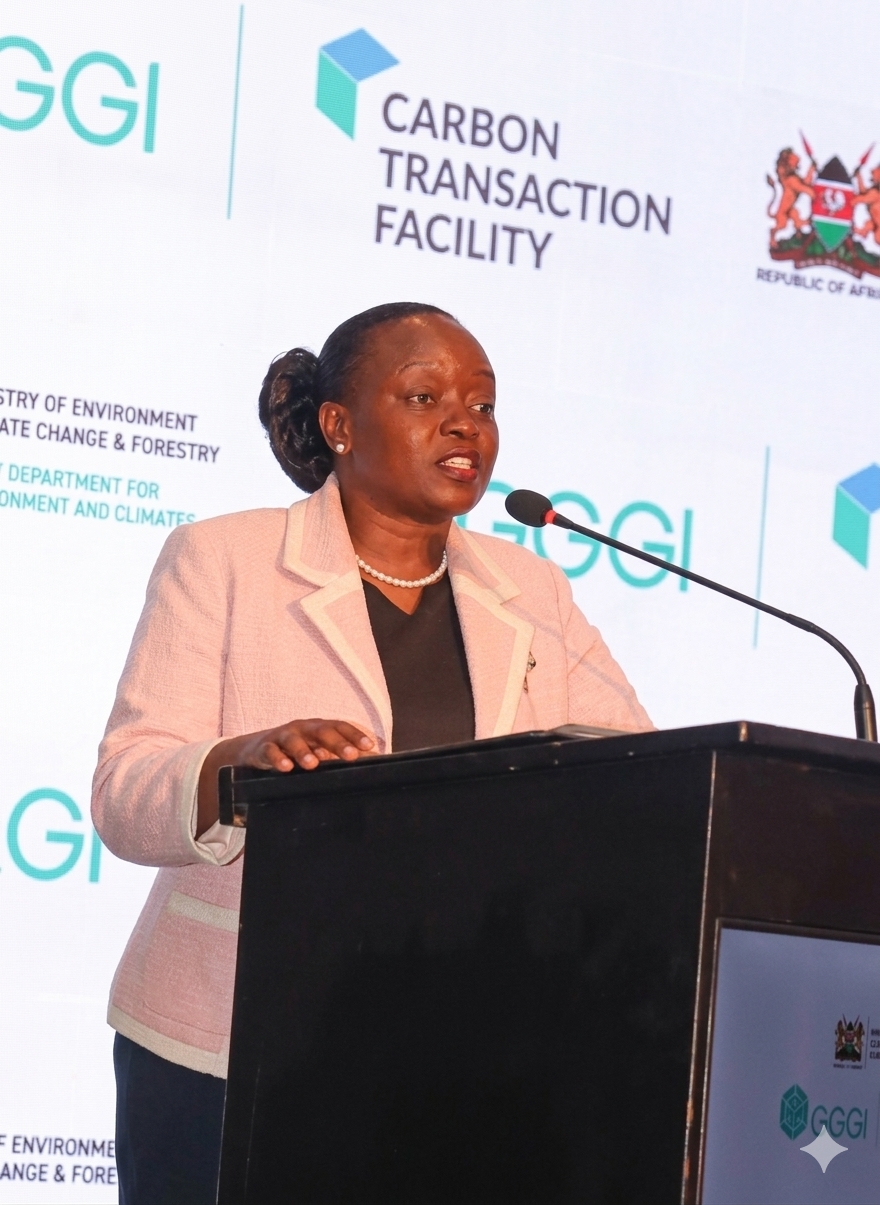
Kenya is betting on carbon markets to attract climate finance, but with a 10-million-tonne cap and KSh590 million in EU support, the bigger question is whether carbon trading can deliver for both the climate and the communities behind it.
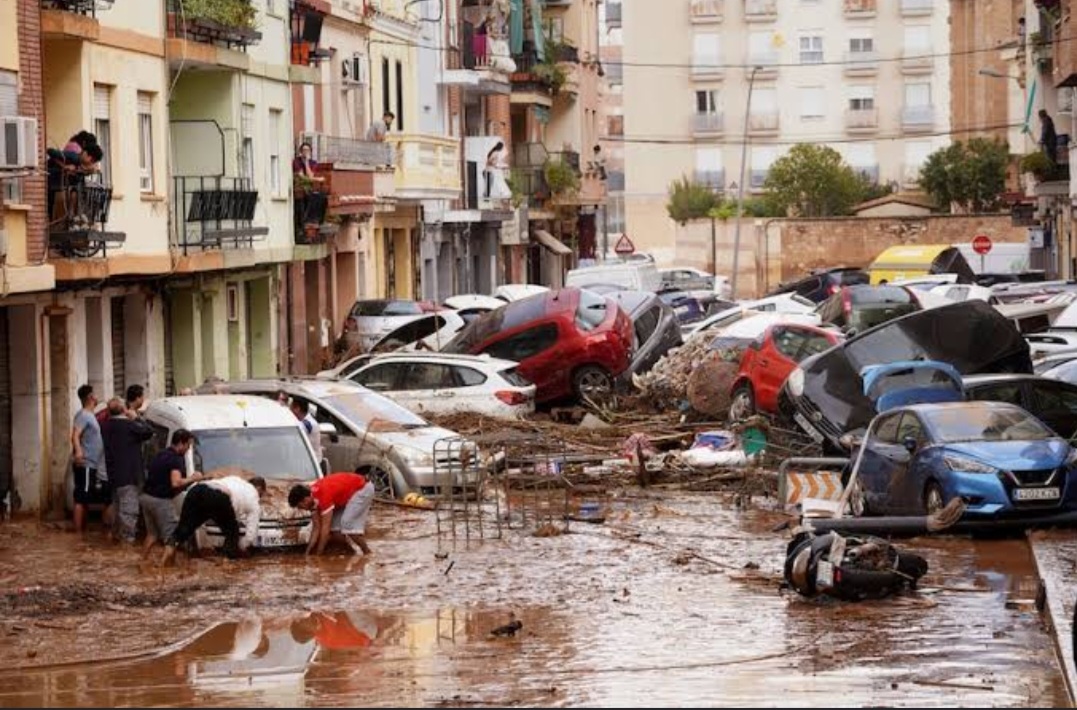
A powerful burst of torrential rain has caused severe flooding in Madrigueras, south-central Spain, sweeping vehicles through streets, flooding homes and forcing around 90 people to be rescued. A 102-year-old woman died after floodwater entered her ground-floor home.
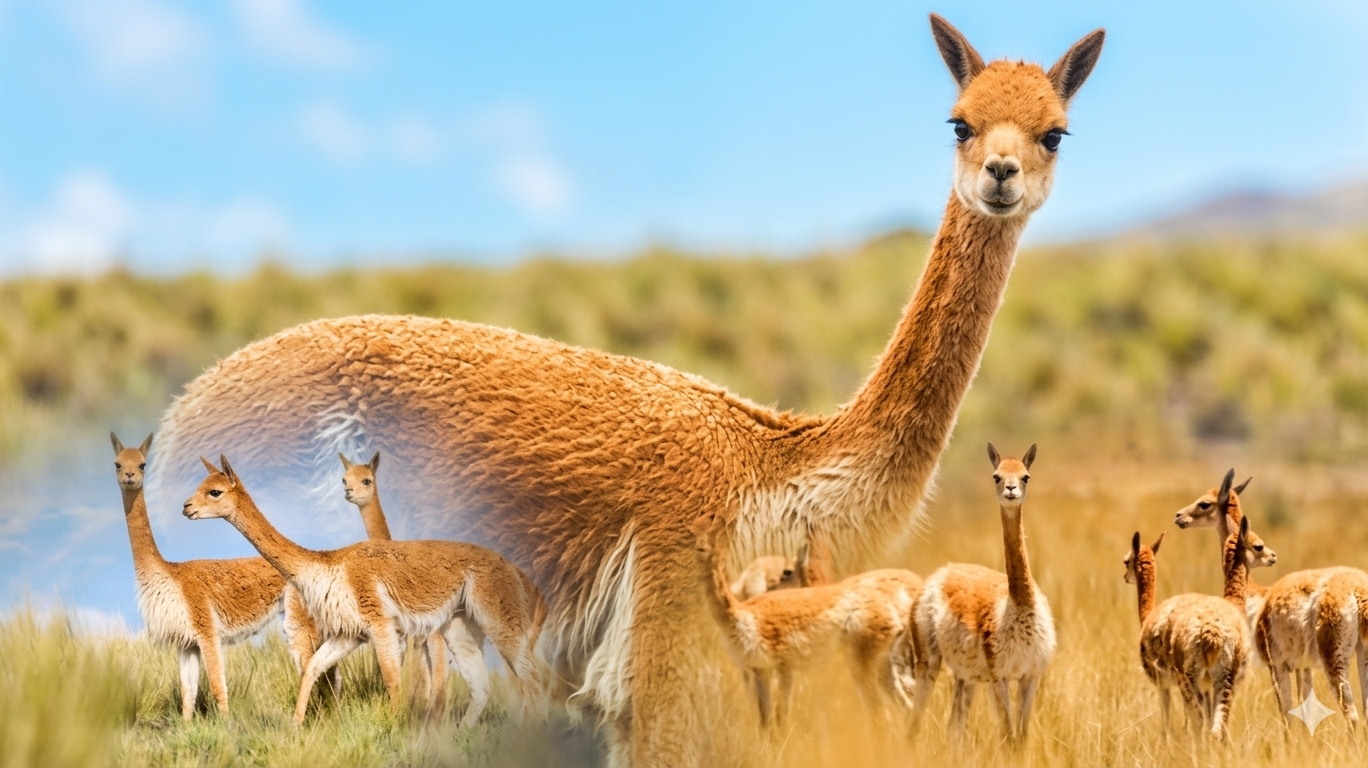
A pile of dung may be one of the first signs of life returning to a melting glacier’s old home. In the high Andes, wild vicuñas are leaving nutrient-rich dung on barren ground exposed by retreating ice. These small deposits can hold more moisture, organic matter and microbial life, creating tiny launchpads for plants. The surprising part is that this delicate relative of the llama may be helping ecosystems cross the harsh frontier left behind by climate change.
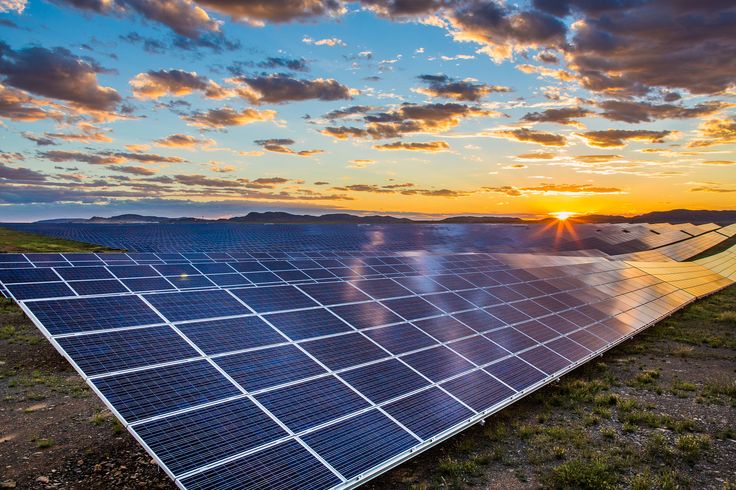
From solar panels on rooftops to electric motorcycles on Kenyan roads, green technology is changing how we produce energy, move and live. But how much can these innovations really do to reduce carbon emissions?
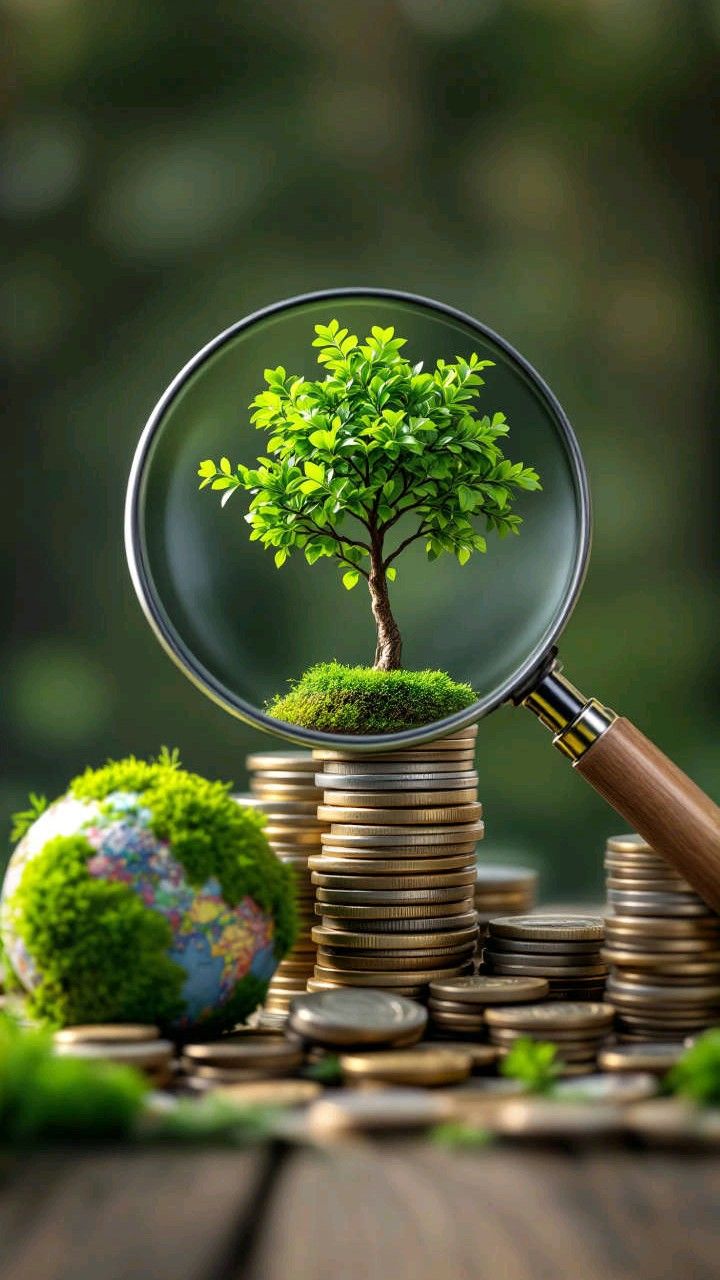
From protected forests and cleaner cooking to renewable energy, Africa is turning climate action into a new kind of currency. But behind every carbon credit is a complex process of measuring, verifying and trading emissions reductions. So, how does it actually work?

Years of PhD work brought Gilbert Masengeli close to graduation, but not onto USIU-Africa’s September list. A new court ruling has now rejected his bid to change that.
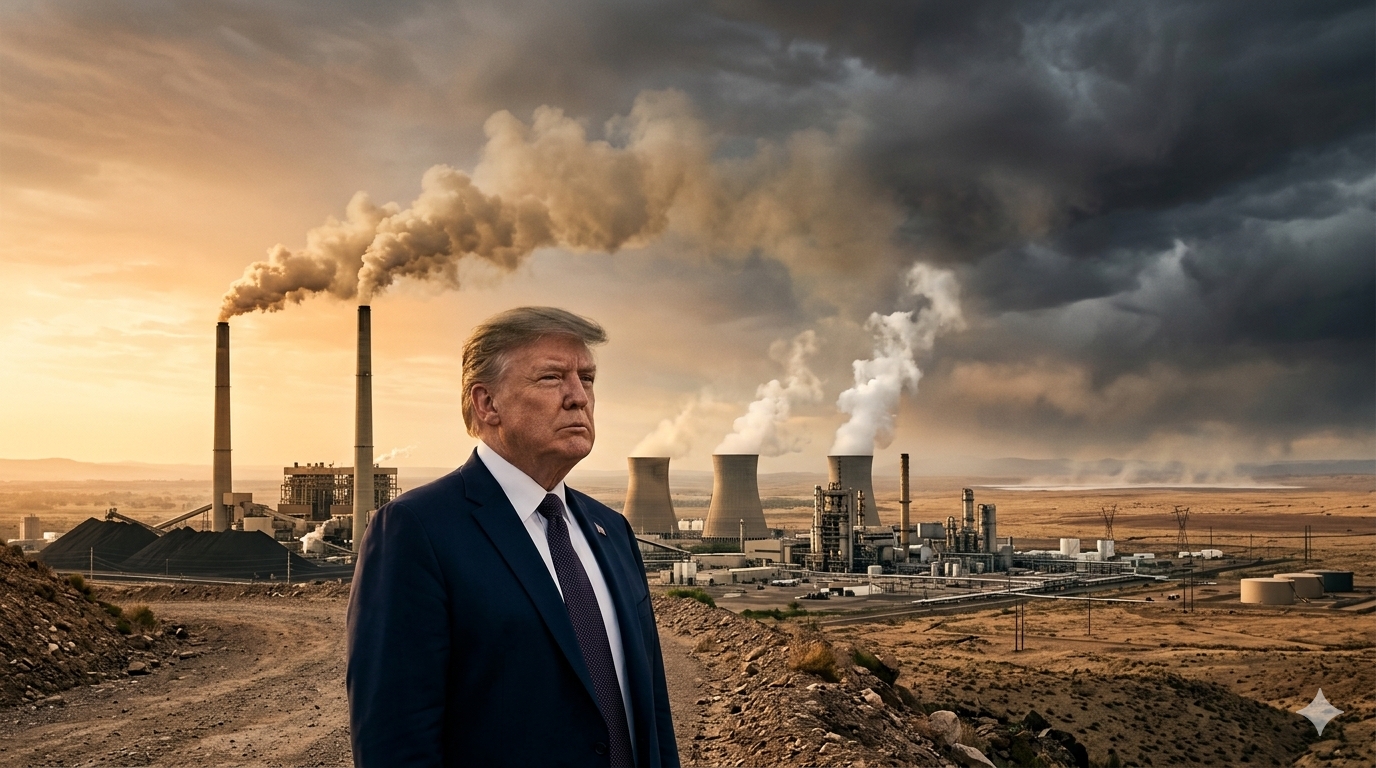
123 million extra tons of carbon. That is the number behind America's latest climate policy reversal. As the US loosens limits on coal and gas power plants, a decision made in Washington could have consequences for a warming world far beyond America's borders.
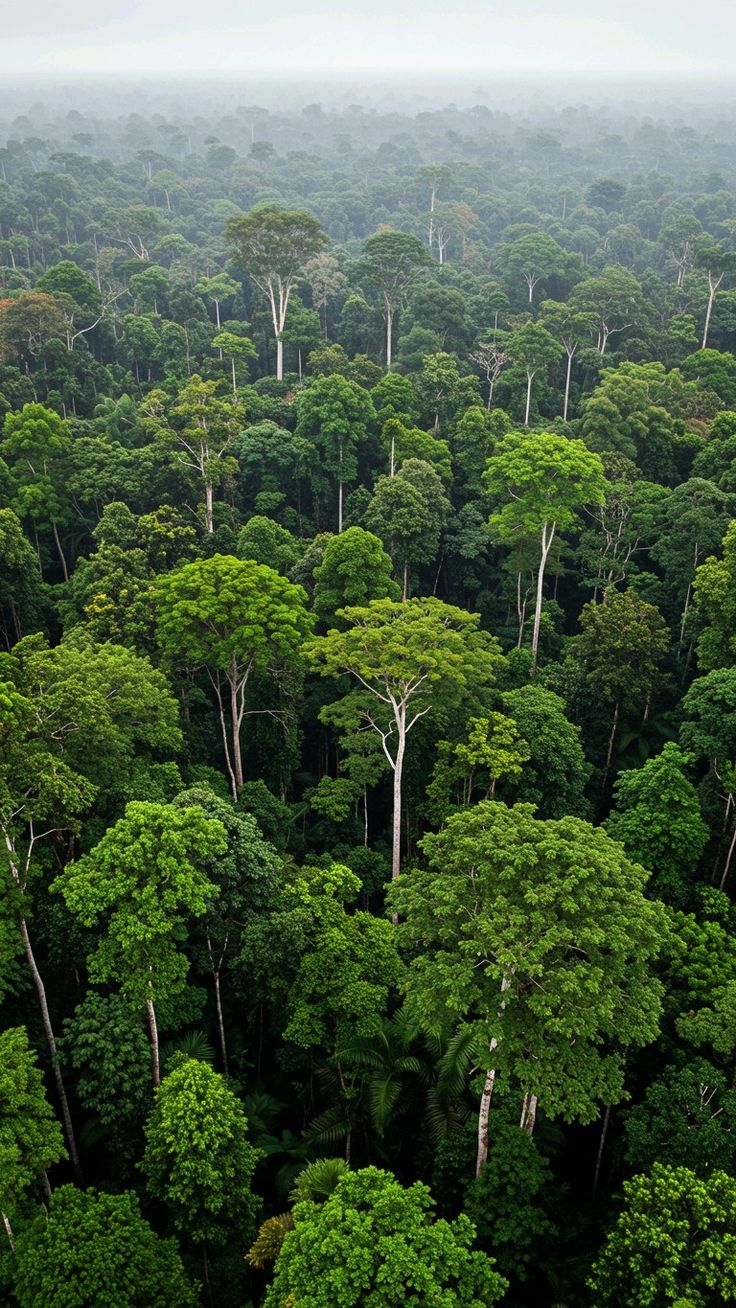
What if one of our simplest defenses against El Niño is already growing around us? As Kenya braces for heavy rains, protecting our trees could mean more than preserving nature, it could help protect our homes, communities and future.
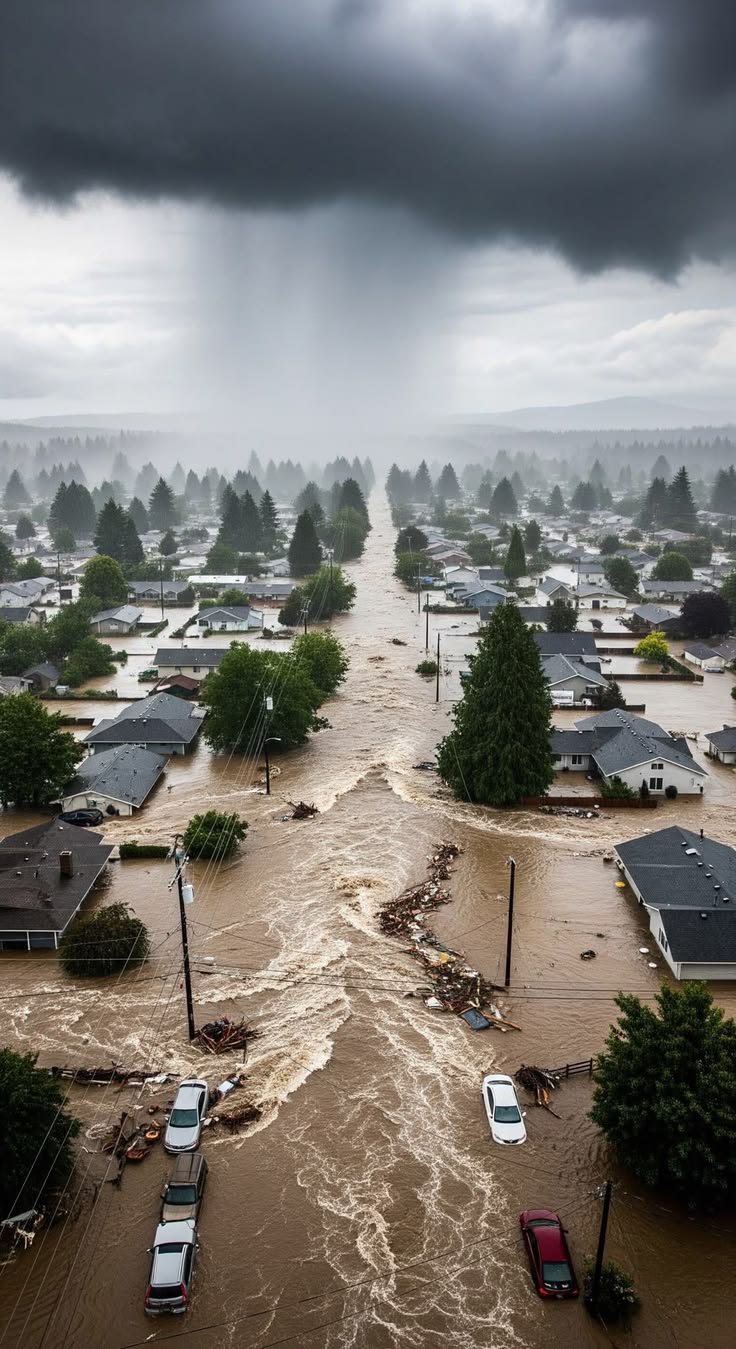
El Niño is developing, and Kenya is watching closely. As the October–December rains approach, early preparedness could make the difference between a weather event and a disaster.
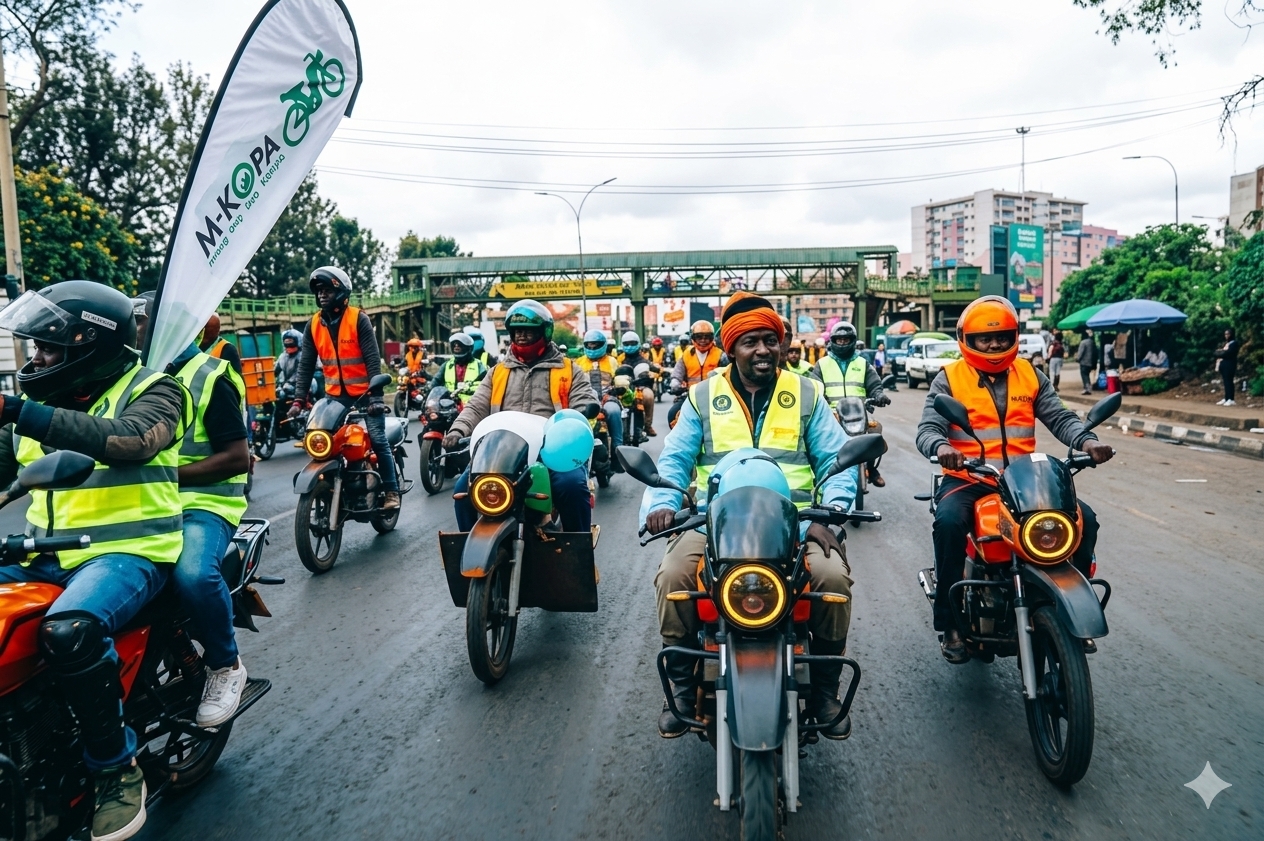
Kenya’s electric mobility revolution is happening on two wheels. As boda bodas shift from petrol to batteries, the transition could cut fossil-fuel dependence while reshaping the country’s transport and energy systems.