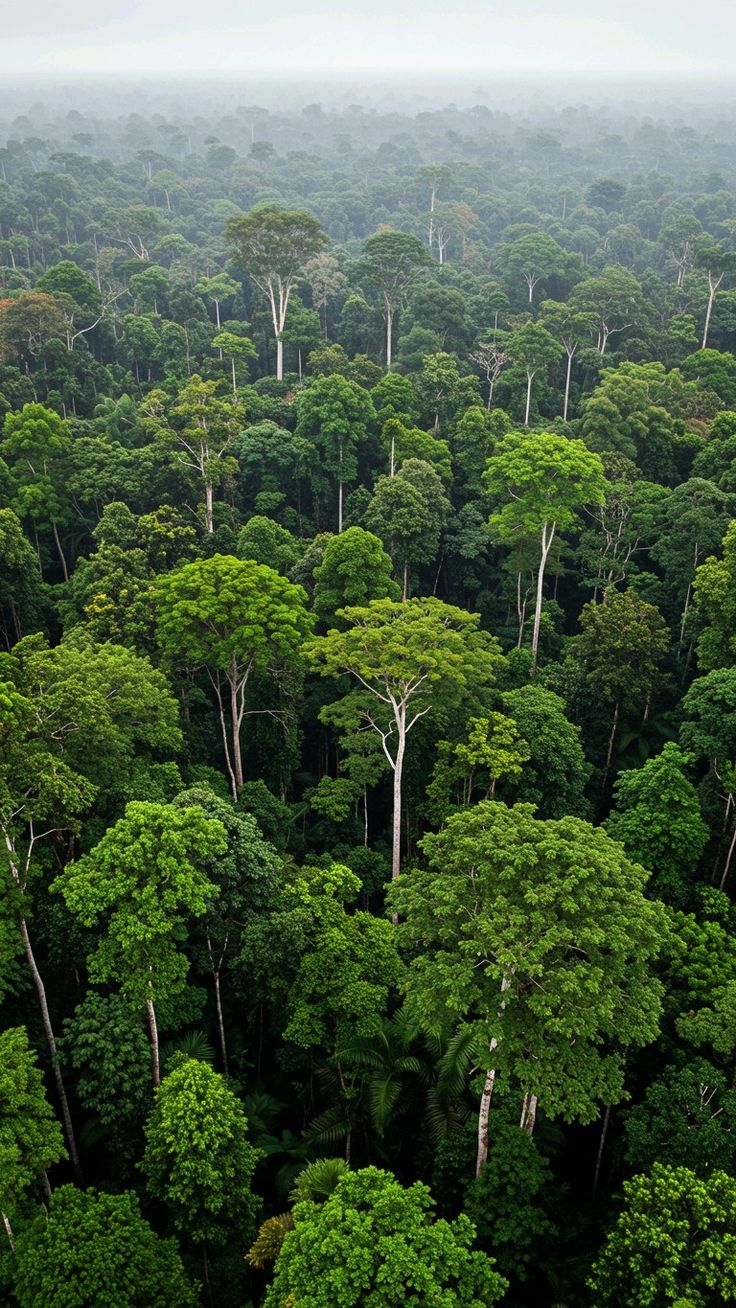
When the heavy rains arrive, a tree may be doing some of its most important work silently beneath our feet. As Kenya prepares for the upcoming El Niño-influenced rainy season, attention often turns to weather forecasts, drainage systems and emergency plans. But there is another form of protection already growing around us: trees. Protecting the trees we have today could help communities manage heavy rainfall, reduce flooding and become more resilient to future extreme weather.
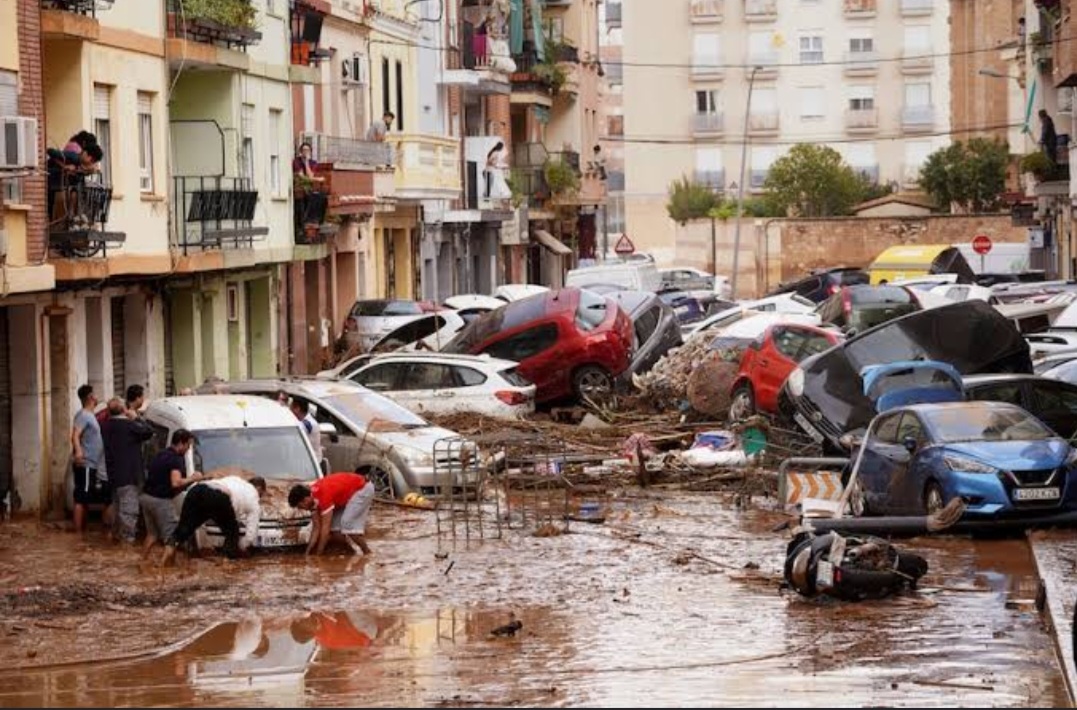
El Niño can bring significant changes in rainfall patterns, increasing the risk of intense rainfall and flooding in some parts of Kenya. While trees cannot stop heavy rains, they can help slow, absorb and manage some of the water that falls on the land.
Here are seven ways maintaining our trees can help us prepare for El Niño, and future rainy seasons.
1. Trees Help Absorb Rainwater
Tree roots take up water from the soil and use it for growth and other processes. Some of this water eventually returns to the atmosphere through transpiration.
During periods of heavy rainfall, healthy vegetation can therefore help reduce the amount of water remaining on the ground. Maintaining existing trees is especially important because mature trees already have established root systems capable of interacting with large volumes of soil and water.
2. Tree Canopies Slow Down Rainfall
Rain does not always fall directly onto the ground when trees are present. Leaves and branches intercept some of the rainfall, holding water temporarily before it drips down.
This slows the movement of rainwater and can reduce the speed at which water reaches the ground. During intense storms, every bit of delay can help reduce sudden surface runoff.
3. Roots Help Water Enter the Soil
Healthy tree roots create spaces and channels within the soil. These pathways allow rainwater to penetrate deeper into the ground instead of immediately flowing across the surface.
This is particularly important during heavy El Niño rains, when large amounts of water can fall within a short period. The more water the soil can absorb, the less water is left rushing toward roads, homes and rivers.
4. Trees Reduce Surface Runoff
Bare and compacted land allows rainwater to move quickly across the surface. Trees, fallen leaves and other vegetation make the ground rougher, slowing this movement.
That gives water more time to soak into the soil and reduces the amount of runoff entering drainage systems and waterways at once.
5. Trees Protect Riverbanks
Trees growing along rivers and streams help hold riverbank soil together with their roots. This reduces erosion and helps keep riverbanks more stable when water levels rise.
During heavy rains, this protection becomes even more important. Without sufficient vegetation, increased erosion can damage riverbanks and contribute to sediment entering waterways.
6. Trees Protect Natural Water Storage Areas
Trees are also connected to larger ecosystems such as forests, wetlands and watersheds. These landscapes can store and regulate water, helping slow its movement through the environment.
Protecting forests and restoring degraded areas therefore does more than preserve biodiversity. It strengthens the natural systems that communities depend on to manage excess water.
7. Urban Trees Can Help Cities Cope With Heavy Rain
Cities face a particular challenge during intense rainfall. Roads, buildings and pavements prevent much of the rainwater from entering the soil, causing water to run rapidly into drainage systems.
Urban trees and green spaces can intercept rainfall, improve soil infiltration and slow stormwater. Protecting trees in towns and cities can therefore be part of a wider strategy for reducing urban flood risks.
Preparing Beyond This El Niño
Preparing for El Niño should not only mean reacting when the rains arrive. It should also mean strengthening our landscapes before the next extreme weather event.
Protecting existing trees, avoiding unnecessary tree clearing, restoring degraded forests and expanding urban green spaces are actions communities can take today. Trees will not replace drainage systems, flood warnings or other infrastructure, but they can complement these measures by giving water more natural pathways to slow down and soak into the ground.
The trees we protect today could become part of our flood protection tomorrow. As Kenya prepares for El Niño, caring for our forests and urban green spaces is not simply an environmental responsibility. It is an investment in safer, more resilient communities, now and in the years ahead.