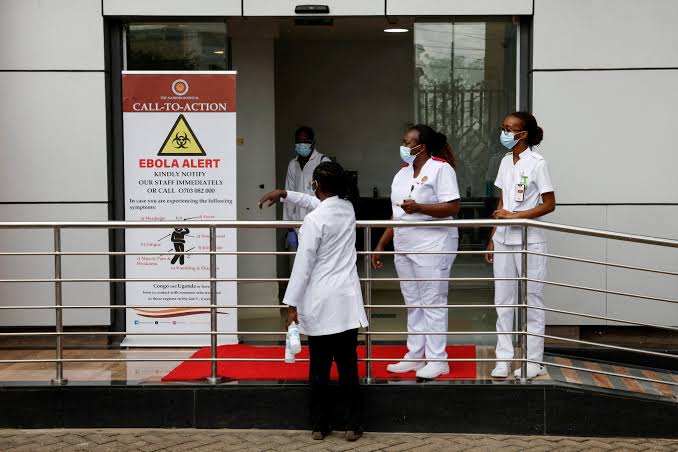
Fears of another Ebola case in Kenya have eased after preliminary laboratory results for a 20-year-old man in Wajir County came back negative.
Wajir Governor Ahmed Abdullahi announced the results on Thursday, October 8, offering some relief days after Kenya confirmed its first imported case of the disease. Health officials had tested the man after his travel history and clinical presentation raised concerns.
Wajir Patient Tests Negative
The patient was being treated at Habaswein Sub-County Hospital in Wajir South after travelling from the Democratic Republic of the Congo (DRC) through Uganda to Kenya.
His journey raised particular concern because the Kenyan man who recently tested positive for Ebola and later died in Nairobi had travelled through the same countries.
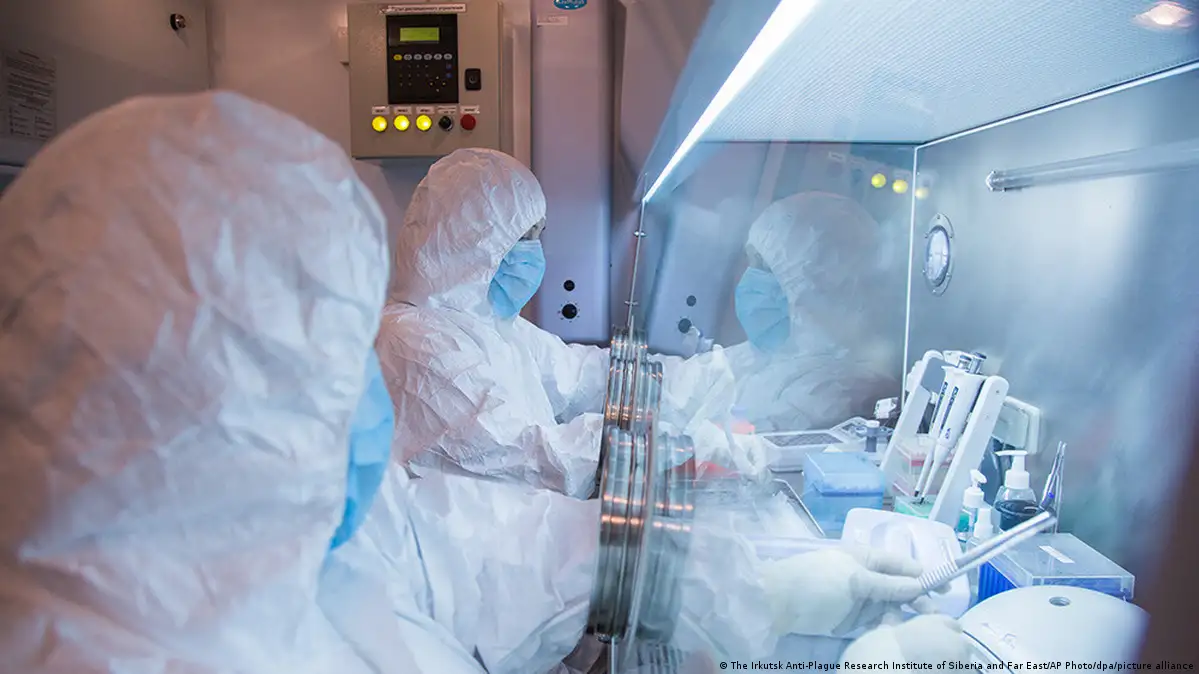
According to the governor, preliminary laboratory results showed that the Wajir patient's sample was negative for Ebola virus disease. County and national health teams are continuing to monitor the situation and provide appropriate medical care.
The result is reassuring, but it does not end Kenya's wider Ebola response.
Kenya Steps Up Its Ebola Response
Kenya confirmed its first imported case on October 6 after a citizen who had been living in the DRC died in Nairobi. The case was linked to the ongoing outbreak of Bundibugyo virus disease in eastern Congo.
The World Health Organization (WHO) says the outbreak in the DRC had recorded 8,728 confirmed cases and 4,205 deaths by October 6, highlighting the scale of the challenge facing health authorities in the region.
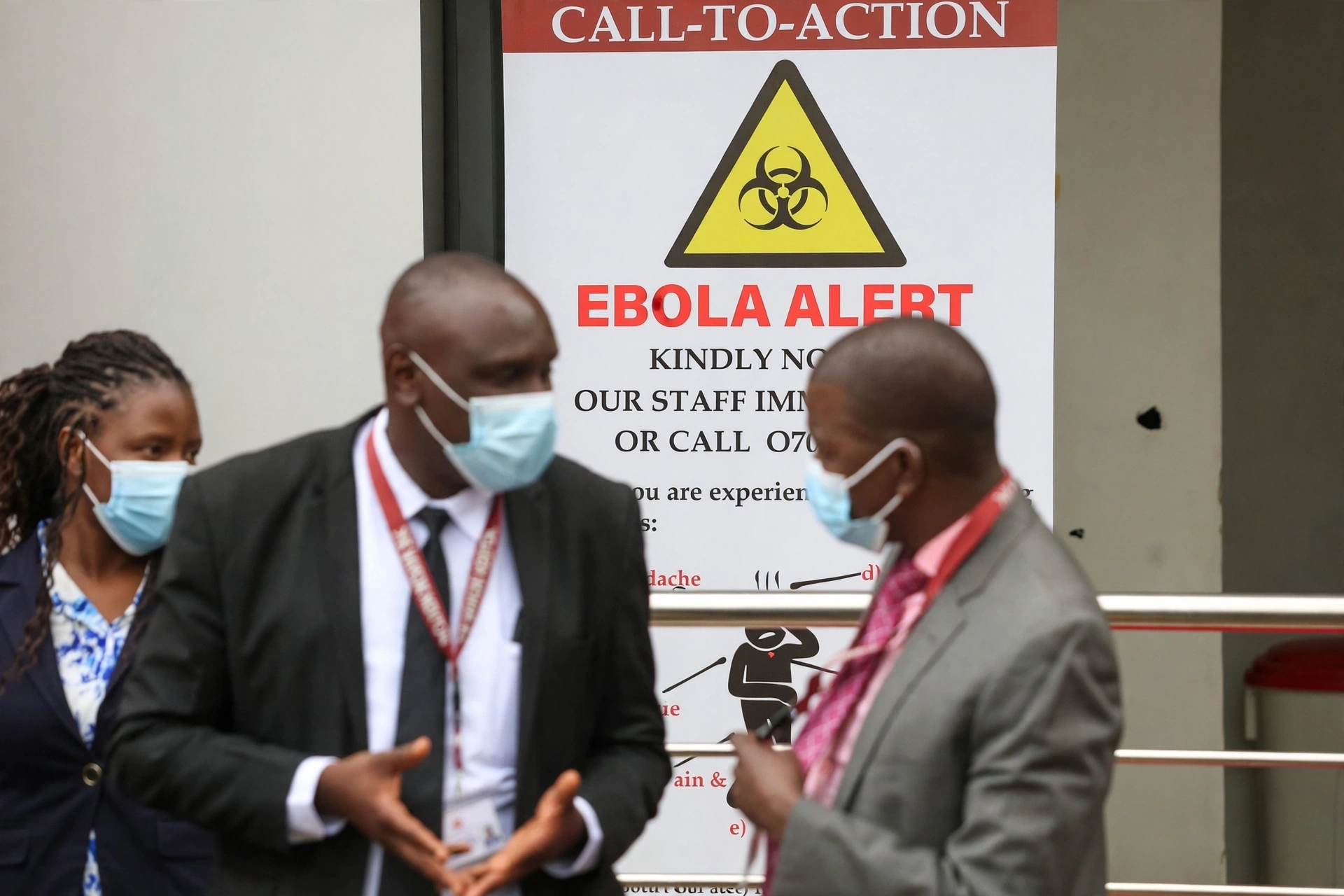
Following Kenya's confirmed case, authorities began tracing contacts and strengthening surveillance, including checks at high-risk points of entry. The WHO is supporting Kenya and Uganda in their response efforts.
The incident has also raised questions about border screening after the first patient travelled through multiple checkpoints before his infection was identified.
What Happens Next?
The negative preliminary result in Wajir reduces concern about another confirmed infection, but health authorities must continue monitoring potential cases and following up on contacts linked to the confirmed case.
For the public, the key message is to rely on official updates from the Ministry of Health and county authorities rather than spreading unverified claims.
Kenya's immediate challenge is now twofold: contain the risk associated with the confirmed case while maintaining effective surveillance to identify any further infections quickly.
The Wajir result offers welcome relief. The wider public health response, however, remains ongoing.