U.S. Report Exposes Alleged Network Behind Recruitment of 1,000 Kenyans for Russia’s War
A new report by the United States Department of State has raised serious concerns over the alleged recruitment of more than 1,000 Kenyan men into Russia’s military, with claims that some Kenyan government officials colluded with recruitment agencies and Russian government officials to facilitate their enlistment. The findings, contained in the 2026 Trafficking in Persons Report released on October 8, have renewed questions about how Kenyan citizens were recruited, the role of officials in the process and whether existing safeguards against fraudulent overseas employment were adequately enforced.
According to the report, some Kenyans were recruited through arrangements that allegedly misrepresented the nature of the opportunities being offered abroad. Prospective recruits were reportedly promised well-paying civilian jobs, including positions in security and construction, before some were pressured into signing contracts with Russia’s Ministry of Defence. The allegations suggest that individuals seeking employment opportunities may have been exposed to recruitment practices that placed them at risk of exploitation and deployment to the front lines of the Russia-Ukraine war.
The alleged recruitment network raises questions about the role of private employment agencies and whether some used promises of lucrative salaries and benefits to attract job seekers. Earlier findings presented to Kenya’s National Assembly indicated that recruiters targeted former military and police personnel as well as unemployed civilians. They reportedly offered monthly salaries of approximately KSh350,000, bonuses of up to KSh1.2 million and the possibility of obtaining Russian citizenship. These offers made the opportunities attractive to people looking for better-paying jobs, although the circumstances surrounding individual recruits varied.
The earlier Kenyan intelligence findings also alleged that some recruitment agencies worked with individuals in government departments and diplomatic missions to facilitate travel arrangements and avoid scrutiny at airports. According to the parliamentary account, some recruits initially travelled on tourist visas through destinations including Turkey and the United Arab Emirates. After surveillance at Nairobi’s Jomo Kenyatta International Airport was tightened, some allegedly began travelling through Uganda, South Africa and the Democratic Republic of Congo. The latest U.S. report adds international attention to concerns that recruitment and travel arrangements may have involved people positioned to prevent the detection of fraudulent enlistment.
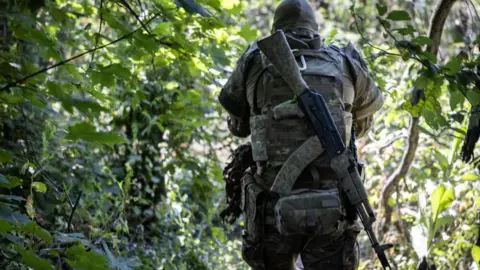
The allegations have also highlighted the difficulties facing families trying to establish the whereabouts of relatives who travelled to Russia. Some Kenyan recruits have reportedly been deployed to combat zones, while others have been injured, gone missing or returned home. The February intelligence report presented to Parliament listed 89 Kenyans on the front line, 39 hospitalised and 28 missing at that time. These figures reflect the situation reported in February and should not be interpreted as a current count of all Kenyans involved in the conflict.
Kenya’s government has been working to assist citizens caught up in the recruitment network and establish the whereabouts of those who remain unaccounted for. Foreign Affairs Cabinet Secretary Musalia Mudavadi told a joint Senate committee on Labour and Defence on October 8 that 62 Kenyans had been repatriated. The government continues to face the challenge of identifying other citizens who may be injured, missing, detained or still serving in Russia’s military.
The allegations have placed renewed focus on the regulation of recruitment agencies and the responsibility of public officials to protect citizens seeking employment abroad. If officials knowingly facilitated fraudulent recruitment, questions would arise over possible abuses of public office and failures to enforce laws designed to prevent trafficking and exploitation. The U.S. report has also drawn attention to concerns over whether authorities have taken sufficient action against recruitment agencies suspected of facilitating trafficking-related offences. However, the allegations do not, by themselves, establish the criminal responsibility of any particular official.
Russia’s Embassy in Nairobi previously denied involvement in illegal recruitment of Kenyans, saying Russian authorities had not engaged in such activity while acknowledging that foreign nationals could voluntarily join the country’s armed forces. The distinction between voluntary enlistment and recruitment through deception or coercion remains central to the controversy. Establishing what individual recruits were told, what contracts they signed and whether they were pressured or misled will be important in determining the circumstances of each case.
Several key questions remain unanswered: Who were the officials allegedly involved? Which recruitment agencies facilitated the enlistment of the men? What did the agencies promise, and how many recruits understood that they could be sent to fight? There are also questions about what authorities knew, whether warnings were ignored and what investigations have been conducted into suspected collusion.
The report has renewed calls for stronger oversight of overseas recruitment, greater transparency in investigations and better protection for Kenyans pursuing employment opportunities abroad. For families waiting for news of missing relatives, accountability is only one part of the issue; locating those still in danger and supporting those who return are equally urgent concerns.
Ultimately, the allegations point to a wider challenge in protecting job seekers from fraudulent recruitment networks operating across borders. The findings demand careful investigation and evidence-based accountability, while the fate of Kenyans still believed to be in Russia’s military remains a pressing concern.