Deadly Riyadh Airport Strike Kills 13 and Injures More Than 300 as Regional Tensions Escalate
A deadly strike on King Khalid International Airport in Riyadh, Saudi Arabia, killed 13 people and injured more than 300 others on Saturday, October 10, in one of the most serious attacks on the kingdom's civilian aviation infrastructure in recent years. The attack disrupted airport operations and heightened concerns over the safety of passengers, airport employees and international travellers amid escalating hostilities in the region.
Saudi authorities reported that the initial death toll was 12 before rising to 13 after an Indian national who had been injured in the attack died the following day. The victims included Saudi citizens and foreign nationals. More than 300 people were reported injured, with some requiring urgent medical treatment. The scale of the casualties has drawn international attention to the risks faced by civilians as the conflict spreads beyond the battlefield.
Yemen's Houthi movement claimed responsibility for Saturday's attack. The incident comes amid escalating fighting between the Houthis and forces backed by Saudi Arabia in Yemen. The Saudi-led coalition attributed the strike to the group, while the Houthis said their operations were connected to the wider confrontation with Saudi Arabia. The claims and counterclaims come as regional hostilities continue to threaten civilian infrastructure and transport networks.
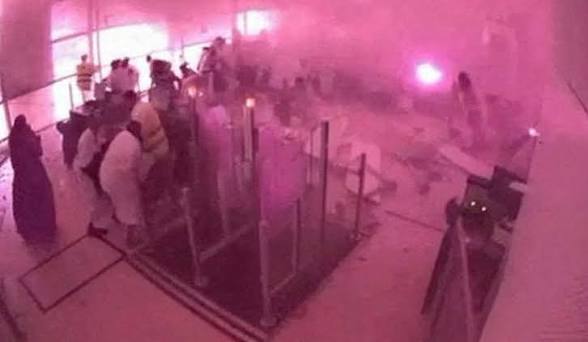
Saudi media authorities subsequently released surveillance footage showing the moment the strike occurred inside the airport. The footage showed passengers near a boarding gate reacting to a sudden flash as people scrambled to move away from the impact area. The release has brought renewed attention to the human consequences of the attack, although the investigation and official assessments remain important in establishing the full circumstances surrounding the incident.
The security situation deteriorated further on Sunday, October 11, when another projectile struck the airport's Terminal 4 area, according to Saudi authorities. That incident killed one person and injured 11 others. Saudi officials also reported that air defences intercepted additional threats near the airport and elsewhere in the kingdom. The repeated incidents have raised questions about the protection of major transport facilities as regional tensions intensify.
The attacks have disrupted air travel, with airport operations suspended while authorities assess damage and conduct safety inspections. Travellers have been advised to check with their airlines for updated flight information. The disruption has also prompted security concerns among foreign governments, with some issuing travel advisories for their citizens in Saudi Arabia.
The situation reflects a broader escalation in the conflict involving Saudi Arabia and the Houthis in Yemen. Further attacks on airports and other civilian facilities could have consequences beyond the immediate loss of life, affecting international travel, trade and regional stability. The possibility of additional military action has also raised concerns about the conflict widening further.
For the families of those killed and injured, the immediate priority remains recovery, medical care and answers about the circumstances of the attack. For Saudi authorities, the challenge is to restore safe airport operations while protecting civilians and responding to continuing security threats.
As investigations continue, international attention is likely to remain focused on the source of the attacks, the effectiveness of regional air defences and the risk of further escalation. The repeated targeting of civilian aviation facilities underscores the vulnerability of travellers and airport workers when regional conflicts intensify.