Featurededucation
The Cost of Silence: Inside Kenya’s 2026 Public University Crisis
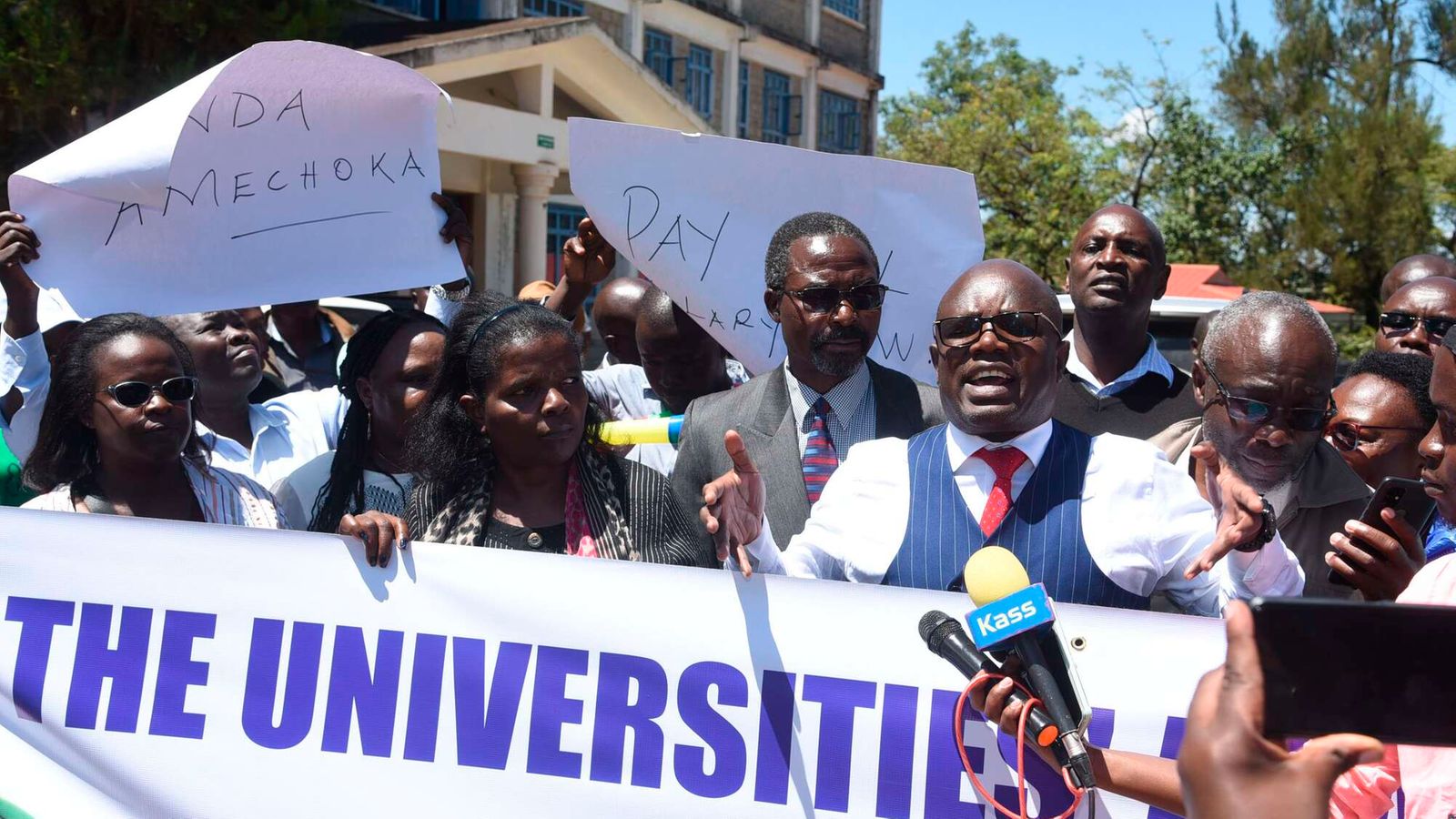
NAIROBI, Kenya — Kenya’s higher education sector has grounded to a halt as the public university lecturers' strike enters its third critical week. Since October 2, 2026, lecture halls across 35 public universities have remained dark, leaving over 700,000 students stranded and throwing the academic calendar into complete disarray. What began as a dispute over unfulfilled promises has fast spiraled into a high-stakes national crisis, highlighted by a tense standoff between the government, powerful academic unions, and an increasingly volatile student body.
The Roots of the Impasse
The industrial action is spearheaded by a unified coalition of unions, including the Universities Academic Staff Union (UASU), the Kenya University Staff Union (KUSU), and the Kenya Domestic Hotels, Educational Institutions, Hospitals and Allied Workers Union (KUDHEIHA).
At the heart of the gridlock is the government’s failure to implement the agreed-upon 2025–2029 Collective Bargaining Agreement (CBA). The standoff intensified after the unions rejected a KSh 12 billion counter-offer proposed by the government, which was to be spread over four years. The unions argue that the offer amounts to a meager 4% annual salary increment that fails to cushion workers against hyperinflation and the skyrocketing cost of living in Kenya.
Instead, the striking lecturers are demanding:
• Immediate CBA Implementation: Full execution and a legally binding written financial commitment from the National Treasury.
• Lump-Sum Arrears Payment: The immediate disbursement of a KSh 7.9 billion lump sum to settle accumulated salary arrears, stemming from previous agreements including the historical 2017–2021 CBA.
• Rejection of SRC Directives: The unions accuse the Salaries and Remuneration Commission (SRC) of misleading the public and frustrating genuine negotiation channels.
A Tale of Two Sectors
While the university crisis deepens, a contrasting picture emerged in the Technical and Vocational Education and Training (TVET) sector. Simultaneously threatened by industrial action, TVET tutors under the Kenya Union of Technical and Vocational Education Trainers (KUTVET) officially called off their planned nationwide strike.
Following round-the-clock negotiations, KUTVET secured a binding agreement with the Ministry of Education and the Competency-Based Education and Training Assessment and Certification Council (CDACC). The deal averted a major disruption by directly addressing tutors' grievances regarding exam security, rushed curriculum implementations, and poor working conditions. This breakthrough has intensified scrutiny on the university standoff, proving that labor resolutions are entirely possible when political will is applied.
The Student Ultimatum and Growing Solidarity
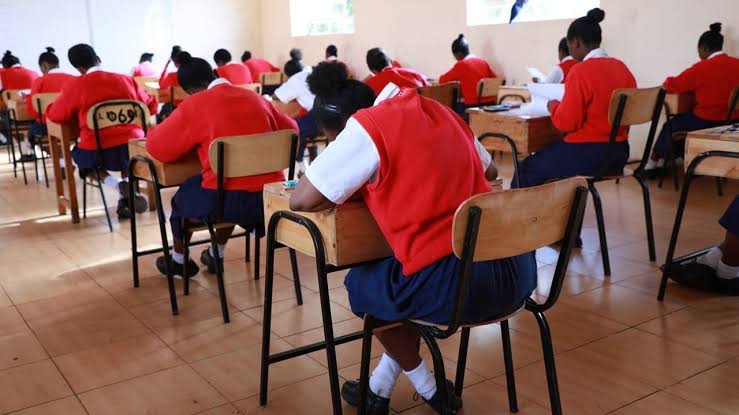
As the stalemate drags on, the primary victims remain the students. Critical coursework has been suspended, professional practical examinations (such as pharmacy practicals) are frozen, and final-year students face the grim reality of delayed December graduations. For off-campus residents, the suspension of classes has not paused daily expenses like rent, food, and utilities, drawing heavy financial strain on parents.
The frustration boiled over when the University of Nairobi Students' Association (UNSA), backed by the broader Kenya University Students Organisation (KUSO), officially threw their weight behind the lecturers.
Student leaders issued a strict 72-hour ultimatum to the national government. Warning that they will not sit idly by as their education is compromised, the student leadership declared that if a meaningful resolution is not reached, they will launch a coordinated, countrywide wave of street protests.